
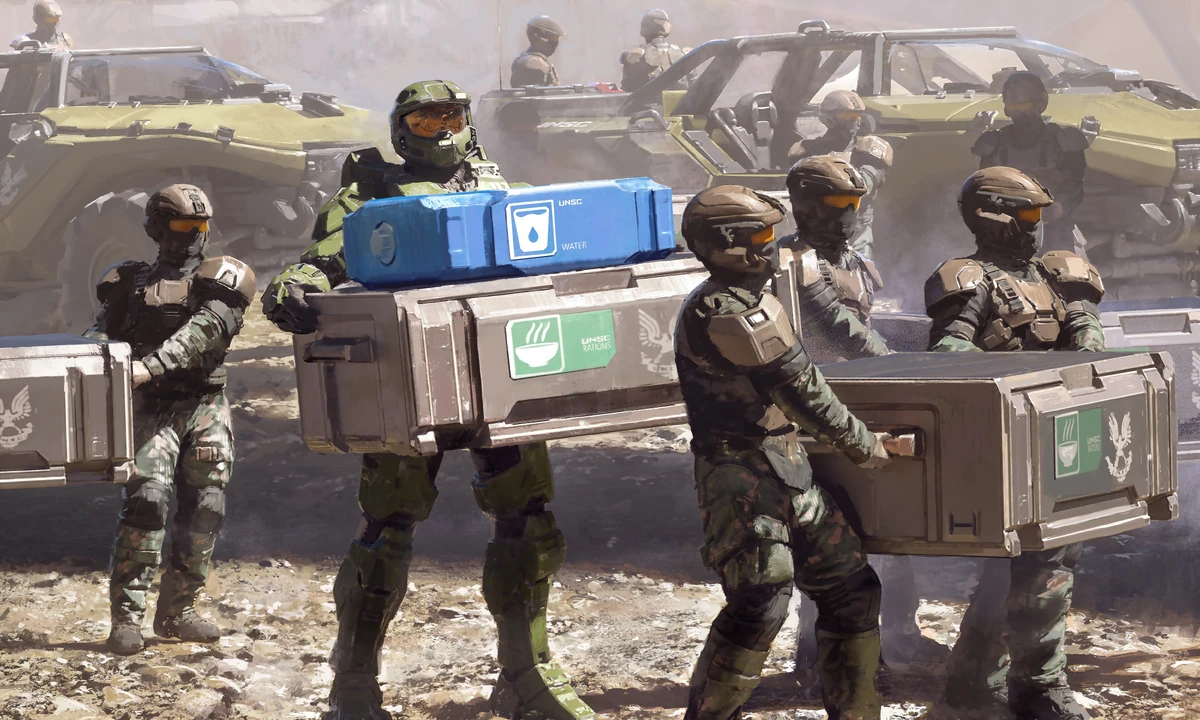
Halo is famous for Spartans, energy swords, and galaxy-shaking battles—but the soul of the series has always been the everyday soldiers standing in the shadow of legends. Halo marines are the boots-on-the-ground fighters of the UNSC: under-armored, outgunned, and still willing to sprint into chaos because someone has to hold the line. They’re the voices you hear cracking jokes in a wrecked corridor, the riflemen bracing behind cover while plasma burns the air, and the squadmates who make the war feel personal.
In this guide, you’ll learn what Halo marines are in lore, how they fit into the UNSC military structure, what gear and vehicles they rely on, why they matter to the story, and—most importantly—how to use marines effectively in gameplay across Halo titles. Whether you’re a brand-new player trying to understand who these soldiers are or a longtime fan looking to get more tactical on higher difficulties, this is your complete, practical breakdown.
What Are Halo Marines?
Halo marines are the standard infantry of the United Nations Space Command (UNSC). In the Halo universe, they serve as expeditionary ground forces designed to deploy rapidly from ships, establish footholds, and fight prolonged campaigns across planets, space stations, and alien installations like the Halo rings.
They’re distinct from Spartans (biologically augmented supersoldiers) and ODST (Orbital Drop Shock Troopers, elite special forces). Marines are “regular” military personnel—still highly trained, but not enhanced. That contrast is exactly why they matter: marines make the world believable. They give scale to the Covenant War and show what survival looks like when you don’t have energy shields or experimental armor.
Why Halo Marines Matter So Much to the Series
Marines are the emotional anchor of Halo. They react the way a human would react—fear, adrenaline, relief, disbelief—while still showing courage. When a marine cheers because the Master Chief showed up, it’s not just comedy. It’s the story reminding you how rare heroism is on that battlefield.
They’re also critical to the tone. Halo balances epic sci-fi with grounded military grit, and marines are where that grit lives: radios, squad banter, last stands, and hard choices in impossible situations.
Marines vs. Spartans vs. ODST: Clearing Up the Confusion
New players often lump all UNSC soldiers into one category. Here’s the clean breakdown:
Marines
General-purpose infantry. They secure areas, escort civilians, defend positions, run patrols, and provide the bulk of manpower in most conflicts. Marines fight with standard issue weapons and armor, often supported by vehicles and air assets.
ODST (Orbital Drop Shock Troopers)
Elite shock troops trained for high-risk insertions, raids, sabotage, and rapid assaults. They’re still human, but typically better equipped and more specialized than standard marines. Their role is closer to special operations.
Spartans
Strategic assets, not regular infantry. Spartans are deployed to achieve objectives that normal forces can’t: assassinations, deep strikes, critical defense, and missions where survival odds are extremely low.
Understanding these roles helps you appreciate why marines behave the way they do in both story and gameplay. They aren’t “weak” because the game is unfair—they’re human in a war built for monsters.
UNSC Marine Corps in Halo Lore: Mission and Identity
The UNSC Marine Corps functions as an expeditionary force designed to deploy alongside the UNSC Navy. Marines are often transported via Pelicans and dropships, supported by armored vehicles like Warthogs and Scorpions, and backed by naval firepower when available.
A marine’s job changes depending on the situation:
Holding defensive lines during Covenant assaults
Securing crash sites and evacuation zones
Boarding actions on ships and stations
Recon patrols around Forerunner structures
Urban warfare and civilian extraction during invasions
Halo’s storytelling often shows marines as the first to engage and the last to retreat. They’re not only fighting aliens—they’re fighting exhaustion, confusion, and the psychological pressure of encountering technology that looks like magic.
Marine Ranks and Unit Structure (In Simple Terms)
Halo doesn’t always spotlight ranks, but marines clearly operate under a structured chain of command. You’ll hear and see:
Privates and lance corporals as standard riflemen
Corporals and sergeants leading fire teams
Lieutenants and captains coordinating larger objectives
Specialists (like radio operators, medics, engineers, heavy weapons)
In practice, marine squads operate like flexible fire teams. You’ll see combinations such as:
Riflemen with assault rifles or battle rifles
A designated marksman with a DMR or sniper
A heavy weapons marine with a rocket launcher or machine gun
A support marine on a turret, driving, or operating comms
That squad-based identity is why marines feel like “your people” during missions. Even when the game can’t fully simulate complex tactics, it sells the idea of a coordinated military force.
Standard Marine Gear: Armor, Helmets, and Survival Basics
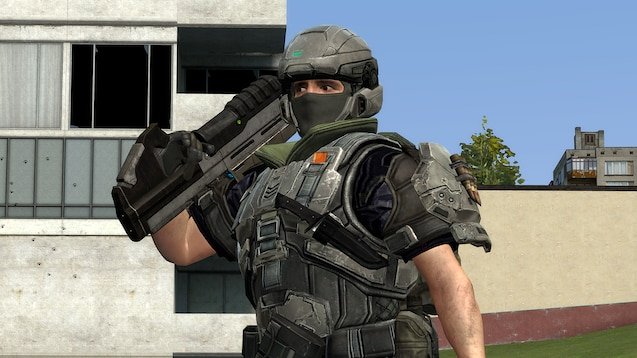
Marines aren’t wearing tank armor, but they’re not helpless either. Their kit typically includes:
Ballistic armor with modular plating
Combat helmets with comms and basic targeting support
Tactical webbing for magazines, grenades, and med packs
Gloves and knee protection for urban and shipboard combat
Their biggest limitation is protection against plasma and high-energy weapons. In many Halo battles, Covenant tech hits harder, faster, and at longer effective ranges. Marines survive by using cover, suppressive fire, and vehicles—plus, frankly, luck.
Weapons Marines Commonly Use (And Why It Matters)
Halo marines are often seen using:
MA5 series Assault Rifle for close-to-mid range fights
BR (Battle Rifle) for controlled bursts at medium range
DMR for precision and longer lanes
M6 pistols as sidearms (varies by era)
Shotguns for tight corridors and Flood scenarios
Frag grenades for area denial and pushing enemies from cover
You’ll also see marines pick up Covenant weapons, especially when ammo is scarce or the battlefield is littered with plasma rifles and carbines. In-lore, this is often portrayed as necessity. In gameplay, it’s a tactical choice you can influence.
Heavy Weapons and Specialist Tools
Marines sometimes appear with:
Rocket launchers for vehicles and clustered enemies
Sniper rifles in overwatch roles
Turrets (stationary or mounted) for suppression
Spartan Laser or other high-impact anti-armor tools in certain games
This matters because a well-armed marine squad can drastically change how a fight plays out—especially if you equip them intelligently rather than letting them hold basic rifles.
Marine Vehicles: Where Marines Become Dangerous
If you want to understand Halo marines at their best, look at what happens when they have mobility and mounted weapons. Marines may be squishy on foot, but they become a serious force multiplier in vehicles.
Common marine-operated platforms:
Warthog (driver + gunner + passenger): classic marine teamwork
Razorback (Halo Infinite): troop transport that turns marines into a rolling squad
Scorpion tank: when marines ride along, they add cover fire and situational awareness
Mongoose: quick scouting and repositioning, though fragile
Pelican drops: marines inserted into hot zones to stabilize objectives
Marines are at their most “Halo” when they’re screaming callouts from a Warthog turret while you thread a canyon at full speed.
Iconic Halo Marines (And Why Fans Remember Them)
Halo marines aren’t just background NPCs. A few stand out as characters who define the UNSC’s human side.
Sergeant Major Avery Johnson
The gold standard of Halo marine attitude: confident, battle-hardened, and fiercely loyal. Johnson represents the Marine Corps as a moral engine—humanity’s grit given a voice.
Stacker, Chips Dubbo, and Memorable Squad Voices
Recurring marines became beloved because they sound like real soldiers coping through humor, fear, and bravado. Even when they’re not central to the plot, they give missions texture and personality.
Marines in Halo Reach and ODST
Those games emphasize the cost of war and the value of regular soldiers and special forces. Even when Spartans are present, the stories constantly highlight how much is asked of normal people.
How Marine AI Behaves in Halo (And What You Can Exploit)
Marine behavior varies by game, but common tendencies include:
They prefer cover but will break it if they think they can push
They shoot more effectively in bursts with certain weapons
They struggle with pathfinding in complex terrain
They can become surprisingly lethal with the right guns
They often prioritize enemies closest to them, not always the biggest threat
The practical takeaway: marines are strongest when you control the environment—positioning, sightlines, and loadouts. If you let them wander into open ground against elites and jackals, they’ll get shredded. If you post them behind cover with good angles, they’ll feel like a real squad.
Practical Insights: How to Use Halo Marines Effectively In-Game
This is where most players can level up fast. Marines aren’t just set dressing. With a few smart habits, you can turn them into a reliable advantage—especially on Heroic and Legendary.
1) Arm Marines With the Right Weapons (Not Just Anything)
A common mistake is handing marines “cool” weapons without thinking about ammo, self-damage, or range. The best marine weapons are:
Battle rifles and DMRs: consistent accuracy, good range, low risk
Needlers: surprisingly strong against elites if marines keep firing
Carbines: great accuracy and rate of fire
Snipers (situational): powerful, but only if they have clear lanes
Weapons to be careful with:
Rocket launchers: marines will fire too close and blow themselves up (and you)
Grenade-heavy weapons: accidental friendly fire is real
Close-range weapons in open maps: they’ll die before they can use them
2) Use Vehicles to “Lock In” Marine Value
If you want marines to survive longer and contribute more damage, put them in vehicles:
A Warthog gunner marine can outperform you in raw damage over time because the turret never tires
A Razorback full of marines can erase small enemy squads quickly
A marine passenger with a precision weapon can add constant chip damage while you drive
Practical example: if you’re clearing an open valley with jackals and elites, a Razorback squad with battle rifles can keep pressure on enemy shields while you focus on flanks and priority targets.
3) Treat Marines Like a Resource You Manage
On higher difficulties, marines are fragile. The key is not “keep everyone alive no matter what,” but “keep enough marines alive to preserve momentum.”
That means:
Don’t drag marines into kill zones
Clear turrets and snipers first
Move from cover to cover, not straight down the middle
Avoid standing where marines cluster and eat grenades meant for you
4) Build a Simple Marine Squad Composition
When possible, aim for a balanced group:
2–3 marines with mid-range precision weapons
1 marine with a heavier weapon (but not a rocket if you’re close-quarters)
Optional: 1 marine in a vehicle turret role
This makes fights smoother because marines can contribute at multiple ranges rather than charging forward and collapsing.
5) Use Marines for Crossfire, Not Face-Tanking
Marines are not Spartans. They shouldn’t be the tip of the spear. The best use is crossfire:
You pull aggro and break shields
Marines finish targets as they retreat or reposition
Marines punish enemies who expose themselves to shoot at you
If you position marines slightly behind or to the side of your push, their damage becomes “free” because enemies can’t safely address both angles.
Examples: What “Good Marine Play” Looks Like
Example 1: Clearing a Covenant Outpost
Situation: jackals on ridgelines, elites near cover, grunts pushing forward.
Strong approach:
First, remove jackals with precision shots while marines stay behind cover
Then, break elite shields and let marines finish with sustained fire
Finally, mop up grunts while repositioning marines to prevent flanks
Result: fewer marine deaths, less chaos, and fewer “random” grenades wiping your squad.
Example 2: Escorting Marines Through a Forerunner Interior
Situation: tight corridors, ambush spawns, limited cover.
Strong approach:
Give marines shotguns or SMGs only if the fights are truly close-range
Otherwise, stick to BR/DMR to prevent marines from rushing corners
Lead the formation, but pause at choke points so marines stack behind you
Result: marines stop acting like lemmings and start acting like a firing line.
Example 3: Open-World Patrols (Halo Infinite Style)
Situation: repeated skirmishes, mixed enemy types, constant movement.
Strong approach:
Prioritize transport and squad persistence
Keep a Razorback and refill marines when you pass friendly zones
Give marines reliable mid-range weapons so they can engage while you drive-by or reposition
Result: your marine squad becomes a mobile advantage rather than disposable NPCs.
Expert Tips for Getting the Most Out of Halo Marines
Tip 1: Give Marines Weapons That Match Their Accuracy Model
Marines are often better with steady, repeatable weapons than high-risk burst damage. Precision rifles tend to scale well because marines can keep firing without overextending.
Tip 2: Avoid “Splash Damage Panic”
If you’re fighting near your squad, avoid explosives unless you are absolutely sure of spacing. Marines move unpredictably, and they love clustering around the player. That’s a recipe for accidental wipes.
Tip 3: Use Marines to Hold What You’ve Already Taken
A very “marine” way to play is: you take the point, marines hold it.
After clearing an area, let marines cover entrances and lanes while you scavenge ammo, swap weapons, or scout ahead.
Tip 4: Keep One Marine Alive When Possible
Even a single marine can be valuable:
They draw enemy attention
They call out threats
They add chip damage that helps you win shield wars
If you can preserve one or two marines consistently, missions feel less punishing and more controlled.
Tip 5: Listen to Callouts Like They’re Real Intel
Marine voice lines often signal:
Incoming grenades
Enemy types (“Elite!” “Hunters!”)
Vehicle threats
Turret positions
Treat that chatter as battlefield information, not just flavor.
Common Mistakes Players Make With Halo Marines
Mistake 1: Handing Marines Rocket Launchers in Close Quarters
It sounds powerful, but it’s one of the fastest ways to lose a squad. Marines will shoot when they have line of sight, not when it’s safe.
Mistake 2: Pushing Forward Too Fast and Breaking Marine Pathing
If you sprint through terrain changes, marines can get stuck behind geometry, doors, or elevation shifts. Then you wonder why you’re “alone” when the fight spikes. Slow down slightly before major engagements and regroup.
Mistake 3: Fighting From the Worst Possible Position
If you stand in the open, marines will often stand near you. That means you’re not only exposing yourself—you’re dragging the whole squad into open fire.
Mistake 4: Ignoring High-Priority Threats That Delete Marines
Certain enemies erase marines quickly:
Jackal snipers
Mounted turrets
Hunters at close range
Brutes with heavy weapons
Vehicles with splash damage
If you want marines alive, delete those threats first.
Mistake 5: Assuming Marines Are Useless
This is the biggest one. Well-armed marines can shred shields, suppress movement, and finish kills. They won’t replace a Spartan, but they absolutely tilt fights in your favor when you treat them like teammates.
FAQs About Halo Marines
Are Halo marines Spartans?
No. Halo marines are regular human soldiers in the UNSC Marine Corps. Spartans are rare supersoldiers with advanced armor and augmentations. Marines are trained professionals, but they’re still human in standard combat gear.
Are Halo marines stronger than ODST?
Typically, ODST are more elite and specialized than standard marines. Marines are the backbone infantry; ODST are shock troops designed for higher-risk missions and rapid insertions.
Why do marines sometimes pick up Covenant weapons?
In-lore, it’s battlefield necessity and adaptation. In gameplay, marines may grab weapons based on availability, and players often swap gear to improve squad effectiveness.
Can you keep marines alive on Legendary?
Yes, but it requires smarter positioning, threat prioritization, and safer loadouts. You won’t save everyone every time, but you can consistently preserve a core squad by avoiding explosives near them and eliminating snipers and turrets first.
Who is the most famous marine in Halo?
Sergeant Major Avery Johnson is widely regarded as the most iconic Halo marine. He represents the spirit of the Marines in the series: fearless, sharp-tongued, and unbreakably human.
Why do Halo marines feel so memorable compared to other shooter NPCs?
They talk like people, react believably, and fight alongside you rather than merely existing as scripted scenery. Their humor, fear, and loyalty create emotional contrast with Halo’s larger-than-life sci-fi scale.
Conclusion: Halo Marines Are the Heart of the Fight
Halo marines aren’t the strongest units on the battlefield, and that’s exactly why they’re unforgettable. They’re the human scale inside an epic war—people who keep moving even when the universe is trying to crush them. From a lore perspective, they represent the UNSC’s grit and sacrifice. From a gameplay perspective, they’re a tactical advantage waiting to be used properly.
If you take one idea forward, make it this: treat Halo marines like real squadmates. Arm them intelligently, position them with purpose, use vehicles to amplify their strengths, and prioritize threats that wipe them out. Do that consistently, and you’ll start noticing something surprising—marines don’t just survive. They help you dominate battles in a way that feels distinctly, perfectly Halo.