
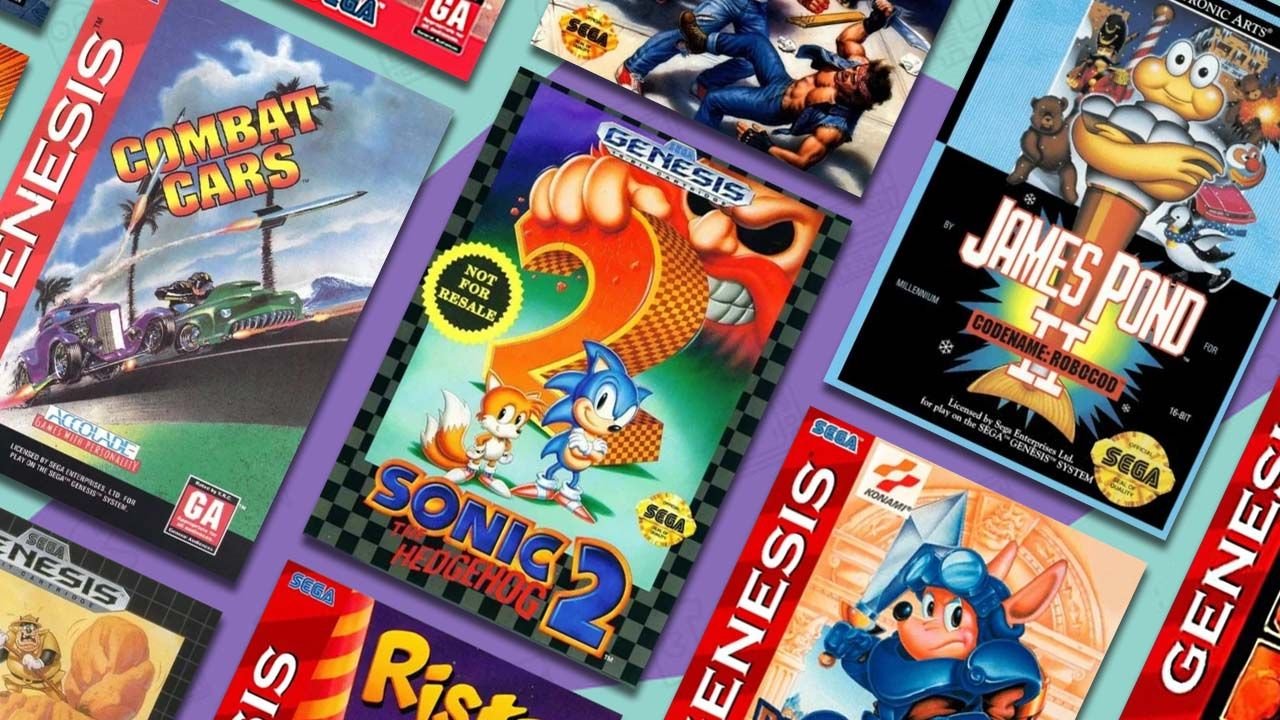
The Sega Genesis Games (known as the Mega Drive in many regions) isn’t just a retro console people remember fondly—it’s a system with a distinct identity that still feels exciting to play today. The sound is punchy, the visuals are crisp in that bold 16-bit way, and the games often move with a speed and confidence that defined an era. If you’re new to Sega Genesis games, you’ll quickly find that the library is broader than the usual handful of famous titles. If you’re returning after years away, you’ll probably be surprised by how well many of these games hold up—and how many great ones you missed.
In this guide, you’ll learn how the Genesis library is “built” (its strongest genres and design style), which games are worth starting with, what hidden gems are actually worth your time, and how to play Genesis games today with a setup that looks and feels great. I’ll also share practical buying and collecting advice, expert-level tips for choosing versions and controllers, and common mistakes that can ruin the experience.
Why Sega Genesis Games Still Matter
Sega Genesis games tend to prioritize momentum. Even slower genres—strategy, RPGs, puzzle titles—often feel snappier than their contemporaries. Part of that comes from the console’s strengths: strong arcade-style conversions, a sound chip that pushes aggressive basslines and percussion, and a design culture that valued quick readability and punch.
But the real reason the Genesis library still matters is variety. Yes, it’s famous for platformers and arcade action. Yet it’s also home to surprisingly deep role-playing games, serious strategy titles, excellent sports franchises, and a long list of quirky experiments that only make sense in the context of the 16-bit era.
If your goal is to find “the best Sega Genesis games,” it helps to think in categories—because the best experience comes from mixing genres rather than playing ten similar action games back-to-back.
Understanding the Sega Genesis “Feel”: What Makes These Games Different?
Before picking your first few titles, it helps to understand the signature traits you’ll see across the library.
Fast movement and decisive controls
Many Genesis games are built around quick acceleration, responsive inputs, and minimal animation delay. This is why the console became known for action-heavy titles—movement simply feels immediate.
Arcade DNA
A large portion of the library is influenced by arcade design: short stages, high difficulty curves, memorable bosses, and replay value through mastery. Beat ’em ups, shooters, and run-and-gun games thrive here.
A distinctive audio style
Genesis music often leans gritty, energetic, and rhythmic. Even if you can’t describe the technical reasons, you’ll recognize the vibe: bold leads, driving bass, and percussion that makes action feel sharper.
Difficulty that expects improvement
A lot of Sega Genesis games aren’t “hard” just to be mean—they’re built to be learned. The fun often comes from replaying and improving. That’s a different mindset than modern checkpoint-heavy design, and it’s worth embracing.
Best Sega Genesis Games to Start With (Beginner-Friendly Picks That Still Rule)
If you’re building your first shortlist, start with games that are approachable, representative of the system, and still satisfying without deep genre knowledge.
Sonic the Hedgehog 2 (Platformer)
If you want to understand why Genesis platformers feel so kinetic, this is the gateway. The physics-driven speed, memorable zones, and tight feedback loop make it an easy recommendation. It’s also one of the most replayable games on the system: you can rush, explore, or chase mastery.
Streets of Rage 2 (Beat ’em up)
This is often the first title mentioned when people talk about the best beat ’em ups ever made, not just on Genesis. The combat is readable, the soundtrack is iconic, and the co-op is still a perfect “pick up and play” experience. Even if you don’t love the genre, it’s a must-try.
Gunstar Heroes (Run-and-gun)
A showcase of creativity and pacing. It throws new ideas at you constantly—weapon combinations, wild set pieces, and boss fights that feel like they belong on a more powerful system. It’s fast, flashy, and endlessly entertaining.
NHL ’94 (Sports)
Even people who don’t follow hockey tend to get it once they play. The controls are intuitive, matches move quickly, and it hits a sweet spot between arcade fun and strategic positioning.
Castle of Illusion Starring Mickey Mouse (Platformer)
A great starter platformer that’s charming, well-paced, and less punishing than many action-heavy Genesis games. It’s also a good example of the era’s animation-forward style.
The Essential Genres Where Sega Genesis Games Shine
To appreciate the Genesis library fully, it helps to explore the console’s strongest categories.
Platformers Beyond Sonic
Sega Genesis platformers aren’t all about raw speed. The best ones vary in tone: some are precision-based, some are exploration-driven, and some focus on animation and spectacle.
Sonic 3 & Knuckles (The “complete” Sonic experience)
Often treated as the peak of classic Sonic design: bigger levels, more secrets, better flow, and multiple character routes. If you like Sonic 2, this is the deep-dive version that rewards exploration and skill.
Ristar (Creative, underrated platforming)
Instead of jumping on enemies, you grab and fling, using momentum in clever ways. It’s colorful, imaginative, and different enough to feel fresh even today.
Earthworm Jim (Comedy + precision)
It’s visually memorable, packed with variety, and sometimes intentionally chaotic. It can be tricky, but the humor and stage variety make it a standout.
Beat ’Em Ups and Brawlers (The Genesis Comfort Food)
This is one of the console’s defining strengths. These games are easy to understand, fun in co-op, and perfect for short sessions.
Streets of Rage 2 (The benchmark)
If you only play one, play this one. Learn spacing, use throws, and pay attention to enemy tells—it’s more tactical than it looks.
Golden Axe (Classic fantasy brawling)
Simple, iconic, and still fun with a friend. It’s also a great example of arcade-era pacing: quick stages, big moments, straightforward thrills.
Teenage Mutant Ninja Turtles: The Hyperstone Heist (Co-op favorite)
Shorter than some brawlers but very replayable. It’s a great “weekend finish” game with satisfying hit feedback and recognizable characters.
Shoot ’Em Ups (Shmups) and Arcade Action
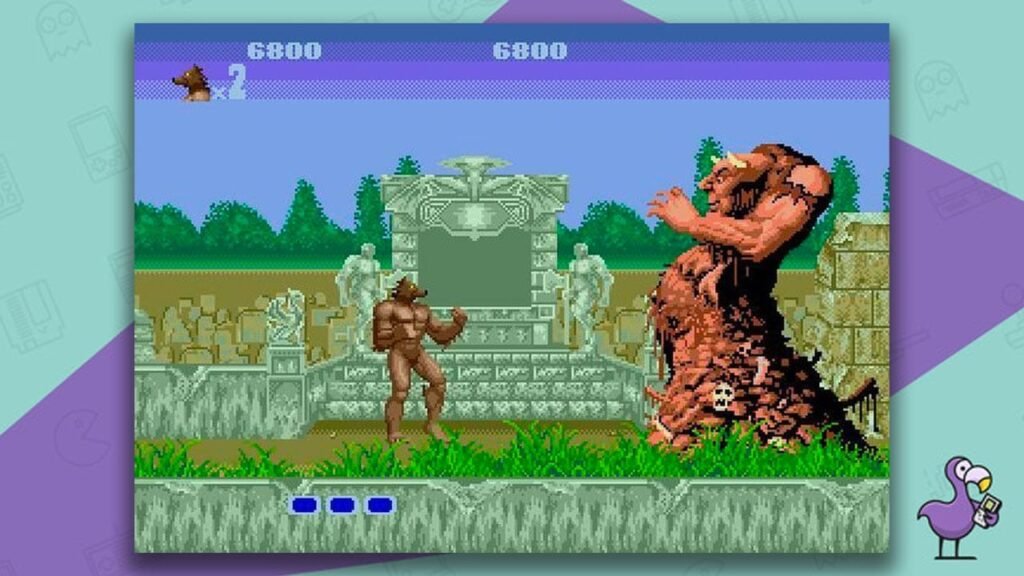
If you love arcade difficulty and pattern learning, Sega Genesis games offer a deep bench of shooters and action titles that reward practice.
Thunder Force IV (High-energy shooter mastery)
Fast, loud, and intense. The screen fills with action, and the game asks you to improve rather than simply react. A true classic for shmup fans.
MUSHA (Stylish, focused, and tough)
A game people often discover later and wonder how they missed it. It’s challenging, but the presentation and tight design make it worth the effort.
Contra: Hard Corps (Action at full throttle)
If you want a run-and-gun game that never relaxes, this is it. Multiple paths add replay value, and the challenge is part of the appeal.
RPGs and Strategy (The “Deeper Than You Remember” Side of Genesis)
The Genesis isn’t always the first console people associate with RPGs, but it has some genuinely excellent ones—plus strategy titles with real longevity.
Phantasy Star IV (Narrative-driven sci-fi RPG)
A polished, confident RPG with great pacing and memorable party dynamics. If you want one Genesis RPG that feels “complete,” this is an easy pick.
Shining Force II (Tactical RPG)
Accessible tactics with satisfying progression. Positioning matters, but it’s welcoming enough for newcomers. It’s also dangerously “one more battle” addictive.
Landstalker (Action RPG with isometric puzzles)
A more unusual recommendation, but a strong one if you enjoy exploration and puzzle-solving. It has personality, challenge, and that classic “I wonder what’s over there” drive.
Fighting Games and the 6-Button Era
Fighting games on Genesis range from solid to surprisingly competitive, especially when paired with the right controller.
Street Fighter II’ (Better with a 6-button controller)
This is the classic experience many players wanted at home. If you’re serious about fighting games on Genesis, a 6-button pad changes everything—inputs feel more natural, and the game becomes far more enjoyable.
Mortal Kombat II (A key piece of the era)
Regardless of where you land on the franchise, it’s hard to talk about Genesis without acknowledging the cultural impact. It’s a snapshot of 90s gaming history you can still have fun with.
Hidden Gems: Great Sega Genesis Games That Deserve More Attention
Everyone knows the headline titles. The fun part is discovering the games that feel like personal finds—the ones you bring up and someone says, “Wait, that’s on Genesis?”
Rocket Knight Adventures
A fast, creative action-platformer with a rocket-powered hero, excellent pacing, and memorable set pieces. It’s one of those games that feels consistently “crafted” from start to finish.
ToeJam & Earl
A unique blend of exploration, co-op chaos, and randomization. It’s laid-back but surprisingly strategic once you understand item management and map navigation. Perfect for something different.
The Revenge of Shinobi
A stylish ninja action game with satisfying movement and a moody atmosphere. It’s not the easiest, but it rewards learning and has a distinctly “Genesis” vibe.
General Chaos
An offbeat action-strategy hybrid that’s fantastic with friends. It’s approachable, funny, and unlike most of what people expect from the system.
Ecco the Dolphin
Not everyone clicks with it, but if you want mood, mystery, and an almost meditative sense of exploration (with real challenge), it’s unforgettable.
Practical Insights: How to Choose Sega Genesis Games That Fit Your Taste
With such a big library, the hardest part is choosing what to play first. Here are simple ways to build a “starter library” that matches how you actually enjoy games.
Start with a three-genre mix
Pick three games across different genres—for example:
One platformer (Sonic 2 or Ristar)
One beat ’em up (Streets of Rage 2)
One deeper game (Shining Force II or Phantasy Star IV)
This prevents burnout and shows you the system’s range quickly.
Choose games that match your patience level
Be honest about difficulty. If you love learning tough games, lean into Contra: Hard Corps or the tougher shooters. If you want something more relaxed, pick RPGs, sports games, or co-op brawlers where teamwork softens the challenge.
Decide if you want “short session” games or long-form adventures
A lot of Genesis classics are designed for repeatable 30–60 minute sessions. If you want longer arcs, prioritize RPGs and strategy games.
Practical Insights: The Best Ways to Play Sega Genesis Games Today
How you play matters. A great game can feel frustrating with the wrong controller or a messy display setup.
Original hardware (authentic feel)
Pros: real controller feel, original timing, classic experience
Cons: aging components, display compatibility, cartridge maintenance
If you go this route, the biggest quality-of-life upgrade is using a clean power setup and a display solution that doesn’t add noticeable lag.
Modern plug-and-play systems (simple and convenient)
Pros: easy setup, good for casual play, great for families
Cons: game selection can be limited, controller feel varies
This is ideal if you want zero fuss and you’re happy playing a curated list.
Emulation (flexible and customizable)
Pros: convenience, save states, wide library access, visual options
Cons: configuration learning curve, input lag if poorly set up
If you emulate, prioritize low-latency input and a controller that feels close to the original. Done well, it can feel excellent; done poorly, it can make responsive games feel oddly “mushy.”
Examples: Building a “Best Of” Sega Genesis Game List for Different Players
If you want a simple blueprint, here are themed bundles that work well in the real world.
For the beginner who wants immediate fun
Sonic the Hedgehog 2
Streets of Rage 2
Gunstar Heroes
NHL ’94
Castle of Illusion
For the player who loves challenge and mastery
Contra: Hard Corps
Thunder Force IV
The Revenge of Shinobi
Streets of Rage 2 (higher difficulty, mastery play)
Sonic 3 & Knuckles (100% routes, special stages)
For the RPG/strategy fan who wants depth
Phantasy Star IV
Shining Force II
Landstalker
A sports or puzzle game as a palate cleanser (to avoid fatigue)
For co-op nights with friends
Streets of Rage 2
Golden Axe
ToeJam & Earl
TMNT: The Hyperstone Heist
General Chaos
Expert Tips: Get More Enjoyment (and Better Performance) From Genesis Games
These are the small, experience-based details that make retro gaming feel better instead of frustrating.
Use the right controller for the genre
A 3-button pad is fine for platformers and many action games, but a 6-button controller is a major upgrade for fighters and some arcade conversions. If a game feels awkward, it might not be “you”—it might be the button layout.
Learn the “core move” of each game early
Many Genesis classics have one mechanic that unlocks the fun:
Streets of Rage 2: throws and spacing
Sonic: maintaining momentum and choosing safe lines
Shmups: controlled micro-movements, not panicked sweeping dodges
RPGs: resource pacing and party synergy
Spend ten minutes mastering that core move and the whole game opens up.
Give tough games a second session
A lot of Sega Genesis games improve dramatically after you’ve seen the first few stages once. The initial difficulty spike often disappears when you recognize enemy patterns and stop overreacting.
Don’t sleep on “medium-famous” games
The Genesis library has a sweet middle tier: games that weren’t the biggest names but were made by talented teams and aged beautifully. If you only play the top five most talked-about titles, you miss the system’s personality.
Common Mistakes People Make With Sega Genesis Games
Mistake 1: Expecting modern pacing and unlimited continues
Many games are designed around replay and improvement. If you go in expecting a modern story flow with constant checkpoints, you might mistake “old-school structure” for bad design. Adjust expectations and you’ll enjoy the learning curve.
Mistake 2: Playing on a laggy setup
Fast Genesis games feel wrong when there’s noticeable input delay. If jumps feel late or dodging feels inconsistent, check your display mode, controller, or settings before blaming the game.
Mistake 3: Starting with the hardest titles first
If you begin with the toughest shooters or the most punishing action games, you might bounce off the console entirely. Start with approachable classics, then climb into the deeper end.
Mistake 4: Buying games without checking version differences
Some Genesis games have regional differences, revisions, or controller preferences. If something feels off, verify whether the game expects a certain button layout or if you’re using a version known for higher difficulty.
Mistake 5: Treating collecting like the goal
Collecting can be fun, but it’s easy to end up with shelves of “stuff” and little playtime. Build a library the way you build a playlist: keep what you return to, and rotate what you don’t.
FAQs About Sega Genesis Games
What are the best Sega Genesis games of all time?
If you want a practical shortlist that reflects both popularity and lasting quality, start with Sonic the Hedgehog 2, Sonic 3 & Knuckles, Streets of Rage 2, Gunstar Heroes, and either Phantasy Star IV or Shining Force II depending on whether you prefer traditional RPGs or tactical strategy.
Are Sega Genesis and Mega Drive games the same?
In most cases, yes—the console is the same platform with different regional branding. However, region differences (language, censorship, difficulty tuning, release variations) can exist, and compatibility can depend on hardware and region-locking.
What genres are strongest on the Sega Genesis?
The Genesis is especially strong in platformers, beat ’em ups, run-and-gun action, shmups, and sports games. It also has standout RPGs and strategy games that can easily take over your free time.
What Sega Genesis games are best for co-op?
Streets of Rage 2 is the go-to, but Golden Axe, TMNT: The Hyperstone Heist, ToeJam & Earl, and General Chaos are also excellent depending on whether you want brawling, adventure-style co-op, or something more chaotic.
How do I start a Sega Genesis game collection without overspending?
Start by choosing 10–15 games you truly want to play, spanning different genres. Prioritize condition and authenticity, and avoid impulse buys just because something is labeled “rare.” A small, well-played library beats a big, untouched one.
Do Sega Genesis games still hold up today?
Many do—especially the ones built around tight controls and arcade-like replayability. The key is playing them with a good controller and a low-latency display setup so the responsiveness feels right.
Conclusion: The Best Sega Genesis Games Are the Ones You’ll Actually Replay
The Sega Genesis library has a rare combination of immediacy and depth. You can play for ten minutes and have a great time, or you can commit to mastery and discover layers you didn’t expect. If you’re just getting started, pick a few classics across different genres, learn the “core move” that makes each game click, and pay attention to your setup so the controls feel as sharp as they were meant to.
Most importantly, don’t stop at the obvious choices. The real joy of Sega Genesis games is that moment when you find a title that feels like it was made specifically for your taste—whether that’s a polished RPG, a relentless shooter, a perfect co-op brawler, or a platformer you can fly through on pure momentum. Once you hit that groove, it’s easy to see why the Genesis still earns its place in the conversation.