
Lockpicking in The Elder Scrolls IV: Oblivion is one of those skills you either fall in love with… or you swear you’ll never touch again after snapping your twentieth pick on a “Hard” chest in a damp Ayleid ruin. That’s why the Oblivion Skeleton Key has such a legendary reputation. It doesn’t just make lockpicking easier—it changes how you approach exploration, thievery, dungeon-crawling, and even early-game gold-making.
In this guide, you’ll learn exactly what the Skeleton Key is, how to get it through Nocturnal’s Daedric quest, what bonuses it provides, and how to use it like a pro. I’ll also break down practical lockpicking techniques (both for beginners and for players who want consistent success on Very Hard locks), plus the most common mistakes that cause players to waste time or miss out on its full value.
What Is the Skeleton Key in Oblivion?
The Skeleton Key is a Daedric artifact associated with Nocturnal, the Daedric Prince of night, shadows, and luck. In gameplay terms, it’s widely considered the single best lockpicking “tool” in Oblivion for one simple reason: it functions as an unbreakable lockpick.
But that’s not all.
What the Oblivion Skeleton Key Actually Does
When you obtain the Skeleton Key, it provides two huge benefits:
- Unbreakable Lockpick Functionality
As long as it’s in your inventory, you effectively have a lockpick that will never snap. You can still carry regular lockpicks, but you’re no longer dependent on them for repeated attempts. - A Major Security Boost
The Skeleton Key also fortifies your Security skill significantly while it’s in your inventory. In practice, this means:
- Tumblers feel more forgiving
- Your “Auto Attempt” results improve
- You can tackle higher-level locks sooner than you otherwise could
- You can train/operate like a higher Security character even if you haven’t invested many levels yet
This is why the Skeleton Key is beloved by stealth characters and equally appreciated by warriors and mages who simply don’t want locked doors slowing them down.
Why Players Want the Skeleton Key So Badly
The user intent behind “oblivion skeleton key” is almost always one of these:
- “Where do I get it and what level do I need?”
- “Is it really unbreakable?”
- “Does it make lockpicking trivial?”
- “Should I rush it early or wait?”
- “How do I use it to open Very Hard locks reliably?”
And the honest answer is: yes, it’s worth it for almost every playstyle, and yes, you can get it fairly early.
The Real Value: Freedom While Exploring
Oblivion is packed with locked:
- Chests and strongboxes in bandit caves
- Display cases in towns
- Doors in forts, ruins, guild halls, and private homes
- Quest-related containers that punish you for ignoring Security
Without the Skeleton Key, you either stockpile lockpicks and pray, or you invest time (and levels) into Security. With it, you can play more naturally—open what you want, when you want—without planning your entire route around lockpick scarcity.
Where to Start: Nocturnal’s Shrine and Quest Requirements
The Skeleton Key comes from completing Nocturnal’s Daedric quest.
Minimum Level Requirement
You need to be at least level 10 to receive the quest from Nocturnal’s shrine. If you show up earlier, you can still find the shrine, but you won’t be able to start the quest properly yet.
Finding Nocturnal’s Shrine (General Location)
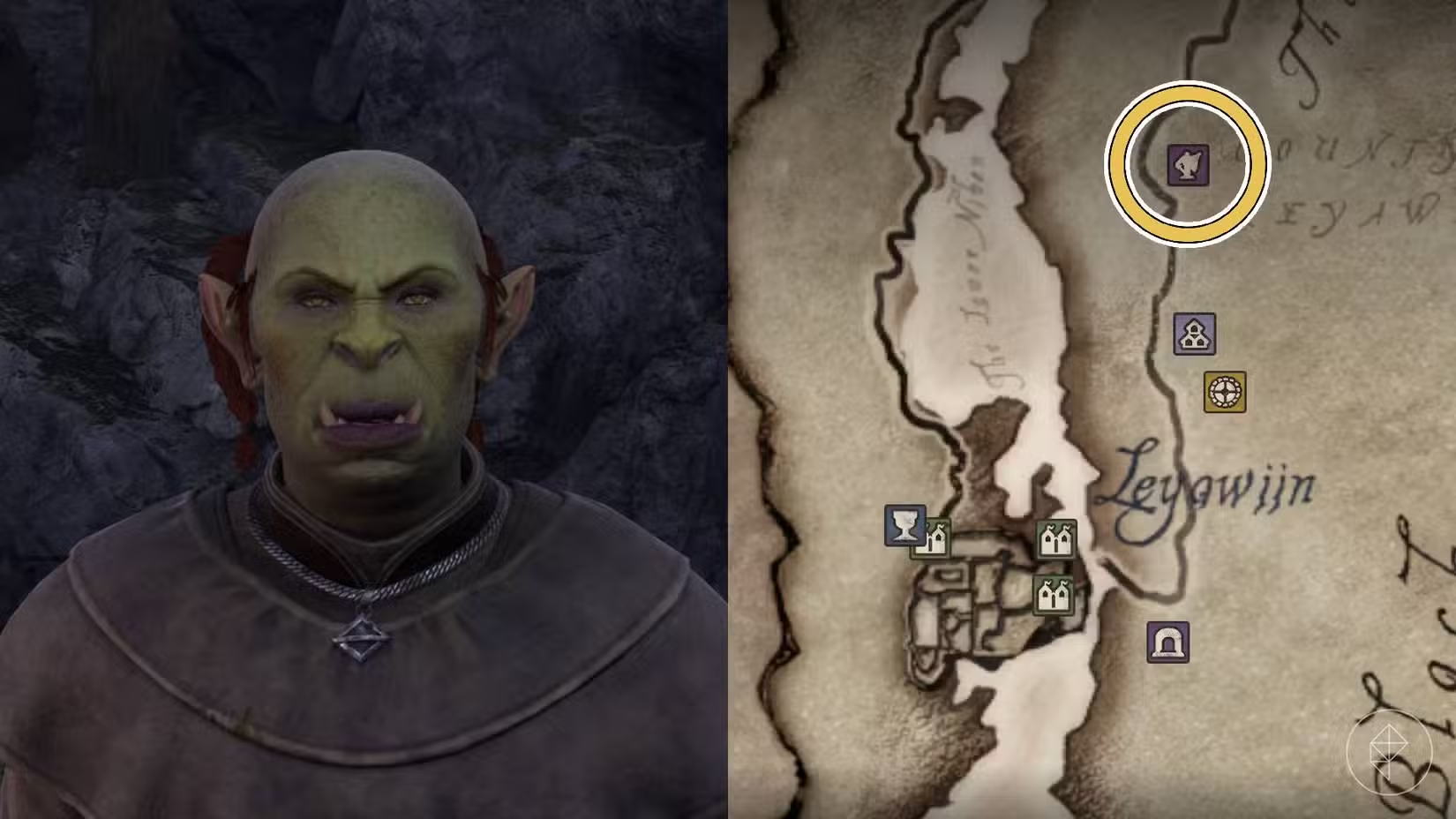
Nocturnal’s shrine is located in the southern part of Cyrodiil, in the general region near Leyawiin. If you’re the type of player who likes to discover locations organically, exploring the roads and wooded areas around Leyawiin will eventually put you on the right track.
The Offering to Begin the Quest
Like other Daedric shrines, Nocturnal requires an offering before she’ll speak with you. Bring the requested item, activate the shrine, and you’ll be given the quest that leads to the Skeleton Key.
Practical advice: if you want to do this efficiently, prepare the offering before you travel so you don’t waste time making two trips.
The Nocturnal Quest: How to Get the Skeleton Key (Step-by-Step)
Nocturnal’s quest is straightforward compared to some of the more elaborate Daedric storylines, but it includes a few moments where players get stuck—usually because they miss a location clue or overcomplicate the retrieval.
Quest Premise (No Spoilers Beyond the Essentials)
The quest revolves around a stolen object tied to Nocturnal. Your task is to recover it from the thieves who took it and return it to her shrine. Once you do, you’re rewarded with the Skeleton Key.
Step 1: Talk to Nocturnal at Her Shrine
After meeting the level requirement and presenting the offering, Nocturnal explains what was stolen and points you toward the general area and suspects involved.
Step 2: Head Toward Leyawiin and Investigate
The thieves are connected to Leyawiin. This is where many players lose time: they arrive and start interrogating every NPC or roaming the city at night hoping to catch someone.
The faster approach is to focus on the specific suspects the quest indicates and track them down directly.
Step 3: Retrieve the Stolen Item
You typically have multiple ways to solve this part depending on your build and roleplay:
- Persuasion and dialogue (if your Speechcraft is decent)
- Sneaking and theft (classic thief approach)
- Picking a lock (which is slightly ironic considering your reward)
- Creative entry methods (if you know the city layout and NPC schedules)
If you’re doing a stealth run, this is a great “mini test” of your current sneaking ability. If you’re playing a heavy armor warrior, it’s also a reminder that Oblivion often rewards problem-solving over brute force in city quests.
Step 4: Return to Nocturnal’s Shrine
Bring the recovered item back to Nocturnal to complete the quest. The reward is the Oblivion Skeleton Key.
At that moment, your relationship with locked content changes permanently.
How Lockpicking Works in Oblivion (So the Skeleton Key Makes Sense)
To truly appreciate the Skeleton Key, it helps to understand what makes Oblivion’s lockpicking unique.
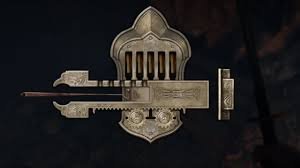
The Tumbler System (Manual Lockpicking)
Oblivion uses a tumbler-based mini-game:
- Each lock has multiple tumblers
- You push them upward one at a time
- You “set” them when they reach the top at the right moment
- Timing matters more than speed
Higher difficulty locks tend to have tumblers that fall faster and offer smaller windows for successful setting.
Auto Attempt (The “Try to Force It” Option)
Auto Attempt is influenced heavily by:
- Your Security skill
- Your Luck
- The difficulty of the lock
- Any fortify effects (like the Skeleton Key)
This is one of the biggest quality-of-life improvements the Skeleton Key offers. With a higher effective Security skill, Auto Attempt becomes genuinely useful rather than a lockpick-burning gamble.
Practical Insights: Best Ways to Use the Skeleton Key Day-to-Day
Once you have the Skeleton Key, you’ll get the most value if you adjust how you approach locks.
Use Manual Picking for Consistency on Hard Locks
Even with the Skeleton Key, you can still fail attempts. The point is you’re no longer punished by losing your pick supply. If you want consistent results:
- Use manual lockpicking
- Learn the feel of tumbler speeds
- Focus on rhythm rather than panic-clicking
Use Auto Attempt for Low-to-Mid Difficulty Locks
With the Security boost, Auto Attempt becomes a time-saver for:
- Average chests in dungeons
- Interior doors you don’t want to spend time on
- “Routine” loot containers while farming gold
A practical habit: Auto Attempt a couple times, and if it doesn’t open quickly, switch to manual and finish it cleanly.
Inventory Management Tip: Keep It On You
Because the Skeleton Key works from your inventory, make sure it doesn’t end up:
- In a storage chest you forget about
- Dropped during weight management
- Misplaced during house organizing
If you’re the kind of player who uses multiple “dump chests,” consider giving artifacts their own safe container when you’re not actively adventuring. Otherwise, keep it with you—most players do.
Examples: How the Skeleton Key Helps Different Builds
The best part of this artifact is that it’s not just for thieves.
Example 1: The Thief or Assassin Build
If you’re running:
- Sneak-focused gameplay
- The Thieves Guild
- Dark Brotherhood contracts that involve infiltration
- High-value burglary routes in towns
…the Skeleton Key is basically a cornerstone item. It lets you:
- Break into homes faster
- Loot display cases and strongboxes with less downtime
- Take on “high-risk, high-reward” locks early
It also reduces the pressure to buy lockpicks constantly, freeing your gold for training, alchemy ingredients, or enchantments.
Example 2: The Warrior Who Hates Locked Doors
Plenty of players love combat but can’t stand leaving loot behind because a lock is in the way. For a warrior:
- You can ignore Security as a skill investment
- Still open boss chests reliably
- Still access locked dungeon shortcuts and doors
It’s one of the easiest ways to keep your pacing fast and action-focused.
Example 3: The Mage Who Needs Every Scroll and Soul Gem
Mages benefit more than people expect. Locked containers often hold:
- Soul gems
- Alchemy gear and ingredients
- Enchanted items to sell or disenchant (depending on how you play)
- Scrolls and staves
With the Skeleton Key, you can play an arcane scholar who “just happens” to also be very good at getting into places.
Expert Tips: Master Lockpicking With (and Without) the Skeleton Key
If you want to go beyond “it’s unbreakable” and actually become excellent at locks, these habits make a noticeable difference.
Tip 1: Listen and Watch for Tumbler Speed Patterns
Even on higher difficulty locks, tumblers tend to fall in patterns. Some will:
- Rise slowly and drop slowly (easier to set)
- Rise quickly and drop quickly (harder to set)
A practical technique is to “test lift” a tumbler a few times without trying to set it. Once you recognize its speed, you’ll know whether to commit or move to another tumbler first.
Tip 2: Don’t Rush the Final Tumbler
A lot of failed locks happen because players get impatient at the end. The final tumbler often feels more stressful because you’re “almost done,” but the correct move is to slow down and wait for the cleanest opportunity.
Tip 3: Use the Skeleton Key to Practice Without Fear
This is underrated: the Skeleton Key is also a training tool. Without worrying about breakage, you can deliberately practice on:
- Hard doors in towns
- Dungeon chests of varying difficulties
- Locks you’d normally skip
Over time, you’ll get genuinely better at the mini-game, not just carried by the artifact.
Tip 4: Pair It With a Stealth Routine
If your goal is profitable burglary:
- Learn NPC sleep schedules
- Close doors behind you
- Avoid holding stolen goods for too long if you’re at risk of a guard search
- Plan a “fence loop” if you’re selling stolen items through the right channels
The Skeleton Key removes the biggest friction point in that routine: locked containers and locked interior doors.
Tip 5: Remember the Roleplay Consequences
Opening every lock isn’t always the best choice for immersion or safety. Just because you can open a Very Hard door doesn’t mean it’s wise to do it in broad daylight with witnesses nearby. The artifact makes access easy, but it doesn’t erase consequences.
Common Mistakes Players Make With the Skeleton Key
Even though it’s one of the simplest artifacts to understand, players still misuse it or misunderstand what it does.
Mistake 1: Assuming It Makes Every Lock Guaranteed
The Skeleton Key doesn’t magically open locks on its own. You can still fail the mini-game. What it does is remove the resource penalty (broken picks) and raise your effective Security.
Mistake 2: Relying Only on Auto Attempt
Auto Attempt becomes better with the Skeleton Key, but it’s not always the fastest method for Hard and Very Hard locks. Manual lockpicking is still the most reliable route when you need a lock opened right now.
Mistake 3: Forgetting It Fortifies Security While Carried
Some players treat it like a “special lockpick” and forget the real power: the Security boost affects your overall lockpicking performance. If you stash it at home “for safekeeping,” you’re actively weakening your lockpicking potential during adventures.
Mistake 4: Waiting Too Long to Get It
Because it’s available at level 10, you can get it relatively early. If you love exploring, the earlier you pick it up, the more value you get over the entire playthrough.
Mistake 5: Grabbing It, Then Never Practicing
It’s easy to let the Skeleton Key become a crutch. If you ever play another character without it, or you simply want mastery, use it as an opportunity to practice the lockpicking system safely.
FAQs About the Oblivion Skeleton Key
Is the Skeleton Key unbreakable in Oblivion?
Yes. That’s its headline feature. Unlike regular lockpicks, it does not break, which removes the biggest annoyance of repeated attempts.
What level do you need to get the Skeleton Key?
You can start Nocturnal’s Daedric quest at level 10, which makes it one of the earlier high-impact artifacts you can obtain.
Does the Skeleton Key help with Auto Attempt?
Yes. Because it fortifies Security while it’s in your inventory, Auto Attempt success rates improve significantly compared to using base Security alone.
Do I still need regular lockpicks after getting it?
Not strictly. The Skeleton Key covers your lockpicking needs. That said, some players still carry a few lockpicks out of habit or for roleplay.
Can the Skeleton Key replace investing in the Security skill?
For many builds, it can reduce or even eliminate the need to invest heavily in Security. However, higher Security still helps, and if you want maximum consistency (especially with Auto Attempt), leveling Security remains beneficial.
Is the Skeleton Key only useful for thief characters?
No. It’s universally useful. Warriors and mages benefit just as much because locked loot and locked doors are everywhere in Oblivion.
Will it get removed or taken during quests or events?
In normal play, it stays in your inventory like other artifacts. If you’re concerned about losing important items, develop the habit of keeping artifacts organized and avoiding unnecessary dropping or storing in random containers.
Is the Skeleton Key the best Daedric artifact?
“Best” depends on your build, but in terms of pure utility across every playstyle, it’s absolutely in the top tier. It provides consistent value from the moment you get it until the end of the game.
Conclusion: Why the Skeleton Key Is a Must-Have Artifact in Oblivion
The Oblivion Skeleton Key isn’t just a convenience item—it’s a playstyle enhancer. It removes the resource grind of lockpicks, boosts your effective Security, and lets you engage with the world more freely. Whether you’re breaking into homes as a master thief, clearing dungeons as a battle-hardened warrior, or scavenging magical supplies as a mage, the Skeleton Key keeps your momentum moving forward.
If you’re level 10 or higher and you’ve been putting off Daedric quests, Nocturnal’s shrine is one of the smartest detours you can make. Get the Skeleton Key early, practice your technique without fear of snapping picks, and you’ll find yourself exploring more confidently—because in Cyrodiil, the best treasure is usually behind a lock.