
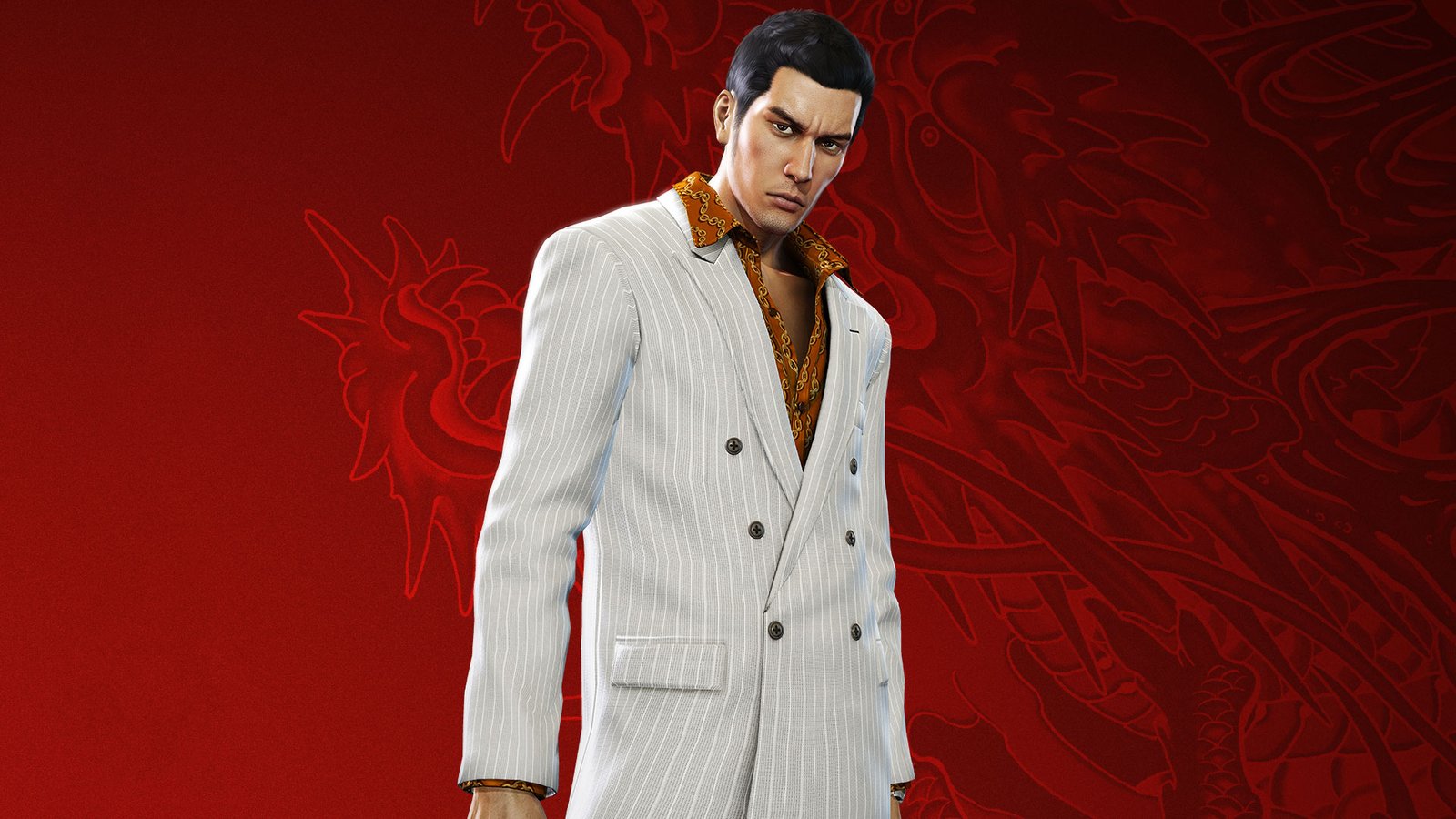
Kiryu Kazuma isn’t just the face of the Yakuza/Like a Dragon series—he’s one of the most carefully built protagonists in modern gaming. On the surface, he’s a stoic ex-yakuza with fists like wrecking balls and a reputation that makes grown men swallow their pride. But the reason fans stick with him across decades of in-game history isn’t just the fights or the crime drama. It’s the unusual combination of moral clarity, quiet tenderness, stubborn responsibility, and an almost old-fashioned sense of honor that he carries into a world designed to punish people like him.
If you’ve ever wondered who Kiryu Kazuma really is, why he’s called the Dragon of Dojima, how his story fits together across multiple games, what makes his combat styles so iconic, and why he continues to matter even as the series evolves—this is your complete guide. We’ll cover Kiryu’s background, his defining relationships, the major arcs of his timeline, practical tips for playing as him, examples that show what he stands for, common mistakes new players make, and answers to the questions people ask most.
Who Is Kiryu Kazuma?
Kiryu Kazuma is the central protagonist of the mainline Yakuza series (now branded globally as Like a Dragon). He’s introduced as a young yakuza from the Dojima Family, part of the Tojo Clan—one of the most powerful criminal organizations in the series’ Japan. Over time, Kiryu becomes a living legend, not because he chases power, but because he repeatedly steps into chaos to protect people who can’t protect themselves.
He’s often described in a few simple phrases:
- The Dragon of Dojima (his feared and respected underworld title)
- A man of principle in a corrupt world
- A fighter whose presence changes the temperature of a room
Yet what makes him compelling is how consistently he refuses the “easy” path. Kiryu’s life is shaped by sacrifice—sometimes noble, sometimes tragic, sometimes frustrating. And that push-and-pull is where the series gets its emotional weight.
Why He’s Called the Dragon of Dojima
The title “Dragon of Dojima” works on two levels: it’s a reputation earned through strength, and it’s a symbol of what Kiryu represents.
In the underworld, a “dragon” is an apex figure—someone who can’t be ignored, bought, or bullied. Kiryu earns that title through sheer capability: he survives betrayals, wars between clans, and enemies who come at him with entire armies’ worth of confidence. But symbolically, the dragon represents a force that’s both destructive and protective. Kiryu’s violence is rarely senseless; it’s controlled, reactive, and tied to a personal code.
That duality—dangerous but principled—is the essence of Kiryu. He can be terrifying in a fight, and gentle in a quiet moment five minutes later. The series builds its identity on that contrast.
Kiryu Kazuma’s Personality: Stoic, Kind, and Unshakably Principled
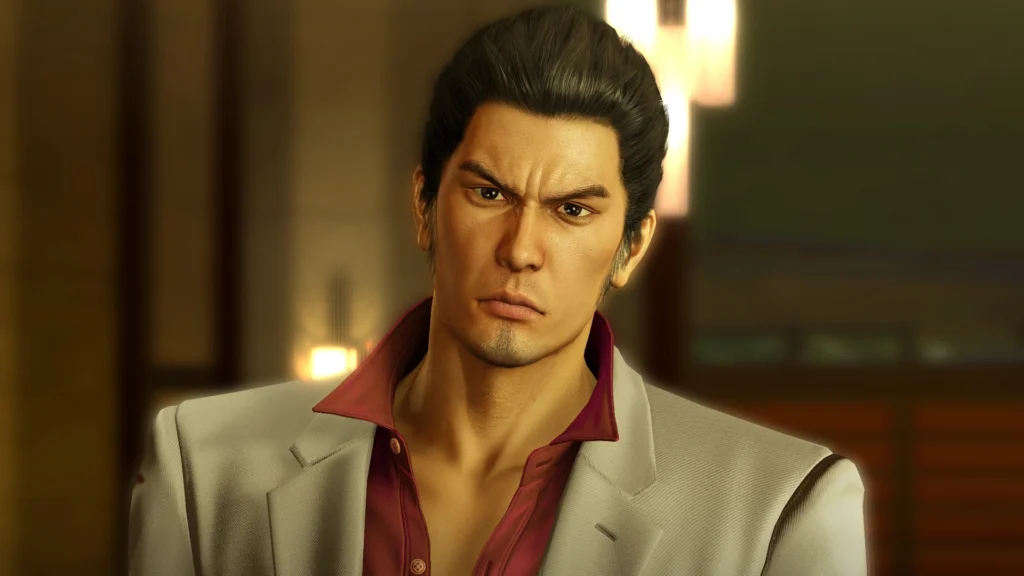
Kiryu Kazuma personality is the reason he doesn’t fade into the background as “just another tough guy.” He’s disciplined and often restrained, but he’s not emotionally hollow. He’s the kind of man who listens more than he speaks, and when he does speak, it’s usually because something actually matters.
A Code of Honor That Isn’t Just for Show
Kiryu follows a code that can look old-fashioned: loyalty, accountability, and an insistence on protecting the vulnerable. The important nuance is that the games don’t present this as naïve perfection. His code creates consequences. It isolates him. It makes him a convenient scapegoat. It forces him to carry burdens other characters avoid.
That’s exactly why it works. Kiryu’s morality isn’t a costume; it’s a weight.
The “Soft Side” That Makes Him Human
Kiryu’s warmth comes through in how he treats everyday people—kids, shopkeepers, strangers in trouble, or someone caught in a humiliating situation. He’s frequently uncomfortable with praise, awkward with trendy culture, and surprisingly patient when someone is earnest. That gap between his intimidating presence and his genuine decency is a big part of his charm.
What Kiryu Values Most
If you want a simple map of Kiryu’s motivations, it looks like this:
- Protecting family (found family counts most)
- Making sure others don’t pay for his past
- Keeping promises, even when it hurts
- Ending cycles of exploitation and betrayal
Kiryu Kazuma’s Story and Timeline (Beginner-Friendly Overview)
Kiryu’s timeline can feel intimidating because the series spans many games, multiple console generations, and a lot of political intrigue. The good news is you don’t need to memorize every faction to understand Kiryu. His core story is consistent: he keeps trying to step away, and the world keeps dragging him back because he’s one of the few people strong enough—and decent enough—to stop the next disaster.
The Early Years: A Yakuza Trying to Do the Right Thing
Kiryu begins as a rising yakuza in Kamurocho, a neon-lit district full of ambition, vice, and fragile alliances. Early on, he’s forced to make defining decisions: taking blame, enduring betrayal, and choosing integrity over status. Those choices shape his entire identity.
The Middle Arc: The Reluctant Legend
As the series progresses, Kiryu becomes a fixer—not in the shady sense, but in the “if Kiryu shows up, things might not collapse” sense. He’s repeatedly pulled into clan conflicts, conspiracy-laced power grabs, and personal tragedies. He earns respect from enemies and allies alike, but the cost is that he can never fully live a normal life.
The Later Arc: Legacy, Responsibility, and Reinvention
Later entries explore what it means for a legend to keep living after the myth is established. Kiryu’s story becomes less about climbing and more about preserving, atoning, and protecting the next generation from repeating the same mistakes.
Even if you’ve never touched the series, that arc is instantly relatable: it’s about a man trying to outrun the consequences of his past while refusing to become cynical.
The Cities That Shape Kiryu: Kamurocho and Beyond
Kiryu is inseparable from Kamurocho, the series’ fictional entertainment district inspired by real Tokyo nightlife. Kamurocho is a character in itself—bright, loud, chaotic, and always changing. For Kiryu, it’s both home and battlefield.
But Kiryu isn’t confined to one place. As the series grows, he moves through other cities that add new flavors to his story—quieter coastal towns, regional hubs, and neighborhoods where his intimidating reputation means nothing until he proves who he is again. Those setting shifts matter because they show different sides of him: protector, outsider, mentor, and sometimes simply a tired man trying to do one good thing at a time.
Kiryu Kazuma’s Fighting Styles: What Makes Him So Fun to Play
Kiryu’s gameplay identity is built around visceral, satisfying brawling. Even people who don’t usually love beat-’em-ups tend to get hooked because his combat has rhythm: positioning, timing, crowd control, and bursts of cinematic intensity.
Core Traits of Kiryu’s Combat
- He’s adaptable: capable against one opponent or a crowd
- He rewards confidence: aggressive play often pays off
- He’s built for momentum: once you’re “in flow,” you feel unstoppable
- He’s iconic for Heat Actions: brutal, cinematic finishers tied to environment and context
Practical Insight: Why Kiryu Feels “Heavier” Than Other Characters
Kiryu’s animations and impact are designed to feel grounded. Hits land with weight. Enemies react like they’ve been hit by a real person, not a floating combo. That physicality is a huge reason his fights feel memorable rather than button-mashy.
Examples of How His Styles Encourage Smart Play
- When fighting multiple enemies, Kiryu thrives if you keep them in front of you and use quick repositioning instead of getting surrounded.
- Against tougher opponents, spacing and baiting become important—Kiryu’s strength is high, but he’s not invincible if you swing carelessly.
- Environmental awareness matters. The series loves giving you contextual tools—walls, railings, objects, and tight corners that can become advantages.
Practical Insights: How to Start Kiryu’s Story (Without Getting Overwhelmed)
A lot of newcomers ask: “Where do I start with Kiryu Kazuma?” The honest answer depends on what you want.
If You Want the Full Origin and Emotional Payoff
Start with his earliest timeline entries and follow forward. This gives the most satisfying character development because you watch relationships evolve and consequences compound.
If You Want a Modern Feel Without Losing the Heart
Choose a newer entry that still centers Kiryu and leans into refined mechanics and presentation. You’ll miss some history, but Kiryu is written in a way that you can understand him quickly: his values are consistent, and the storytelling usually provides enough context to keep you grounded.
If You’re Here for Combat and “Legend Energy”
Pick an entry where Kiryu is at peak reputation and the game leans into high-intensity conflicts. This is the best route if you want to immediately feel why he’s feared.
The key is not to treat the series like homework. Kiryu’s story is long, yes—but it’s also built from arcs. Start where you’ll actually enjoy yourself.
What Kiryu Kazuma Represents: Themes That Make Him Iconic
Kiryu’s popularity isn’t just fandom momentum. He represents a specific kind of protagonist that’s rare now: a man defined by restraint rather than appetite.
Masculinity Without Posturing
Kiryu is strong, but he doesn’t constantly announce it. He doesn’t need to dominate every conversation. He’s not trying to impress you. That quiet confidence is part of why he feels believable.
Violence With Consequences
Kiryu’s world is violent, but the story repeatedly emphasizes the aftermath: broken trust, ruined lives, and the way power games chew up everyone involved. Kiryu fights because he has to, not because he enjoys cruelty.
The Burden of Being “The Reliable One”
One of Kiryu’s most relatable traits is that people lean on him. He becomes the person others call when things go wrong. That’s flattering until it becomes exhausting. The series explores that tension—how being dependable can become its own trap.
Expert Tips: Playing as Kiryu Like a Pro
If you want to get more out of Kiryu’s gameplay—whether you’re chasing smooth combat, tougher difficulties, or simply a more stylish run—these are the habits that separate “getting through fights” from truly mastering him.
1) Control the Crowd Before You Chase Damage
New players often tunnel vision on the strongest enemy. With Kiryu, you’ll usually do better by managing spacing first—step, pivot, keep enemies in a cone in front of you. Once the crowd is controlled, your damage windows become safer and longer.
2) Don’t Hoard Resources “For Later”
Many players sit on healing items, special meters, or upgrades because they’re afraid of wasting them. Kiryu’s games frequently reward using your tools. Smart resource use makes you more consistent, not less.
3) Learn One Reliable Combo Route and One Escape Option
You don’t need to memorize everything. You need:
- One bread-and-butter combo you can do under pressure
- One consistent way to reset the situation if you’re getting swarmed
That alone will make you feel dramatically more in control.
4) Use the Environment Like It’s Part of Your Moveset
Kiryu’s fights often happen in tight streets, alleyways, shops, and cramped rooms. Walls and corners can protect your back. Objects can interrupt enemy pressure. Even the shape of the space matters. Treat the arena like a weapon.
5) Keep Side Content in Your Routine
This is a surprising “expert” tip, but it matters: minigames and substories are not just jokes. They’re part of how the series develops Kiryu’s humanity. If you sprint only through main missions, Kiryu can feel flatter than he is. The side content gives him dimension and often rewards you mechanically too.
Real-World Examples of Why Fans Love Kiryu
To understand Kiryu’s cultural impact, it helps to look at the kinds of moments players remember—not specific spoilers, but patterns.
Example: The Intimidating Savior
Kiryu walks into a messy situation, everyone expects a violent thug, and instead he de-escalates it with fairness or unexpected kindness. That contrast makes his rare anger feel meaningful.
Example: The Reluctant Mentor
Kiryu frequently ends up guiding younger characters—sometimes directly, sometimes simply by example. He doesn’t preach. He shows them what responsibility looks like when it costs something.
Example: The Man Who Won’t Let the Innocent Pay
Again and again, Kiryu chooses the harder path to protect people outside the underworld. That consistency builds trust with the player. Even when the plot gets wild, Kiryu remains the stable center.
Common Mistakes People Make When Getting Into Kiryu Kazuma
Mistake 1: Expecting a Pure Crime Power Fantasy
Yes, there are suits, swagger, and underworld politics. But the heart of Kiryu’s story is often domestic and emotional: promises, family, loss, rebuilding. If you expect nonstop “rise to the top” energy, you might miss what the series is actually saying.
Mistake 2: Skipping Dialogue Because You “Just Want Combat”
Kiryu is defined by context. The fights hit harder when you understand why they’re happening and what’s at stake. Even a few minutes of dialogue can completely change how a showdown feels.
Mistake 3: Ignoring Defensive Play and Getting Surrounded
Kiryu is powerful, but the games will punish you if you let enemies circle you. Footwork is part of your offense.
Mistake 4: Treating Side Stories as Optional Filler
This is a big one. Many of Kiryu’s most human moments happen off the main path. Side stories build the emotional credibility that makes his big decisions land.
Mistake 5: Overthinking the “Correct” Order
There’s value in playing everything in sequence, but there’s also value in starting where you’ll actually stick with it. Kiryu’s character is strong enough to carry you even if you begin with a later entry.
Kiryu Kazuma FAQs
Is Kiryu Kazuma a hero or an anti-hero?
Kiryu is best described as a principled protagonist operating in an immoral environment. He has a criminal background and lives in a violent world, but his choices consistently align with protecting others, honoring commitments, and preventing harm.
Why is Kiryu Kazuma so popular?
Because he’s a rare mix: intimidating but kind, disciplined but emotionally present, legendary but uncomfortable with fame. Players believe him. He feels like a real person shaped by consequences rather than a wish-fulfillment avatar.
Do I need to play every game to understand Kiryu?
No. Playing in order gives the richest emotional payoff, but Kiryu’s values are clear enough that you can jump in and still understand who he is. If you enjoy it, you can always go back and experience his earlier story.
What makes Kiryu different from other tough-guy protagonists?
Kiryu doesn’t chase dominance. He doesn’t use cruelty to prove strength. He rarely flexes for attention. His strength is paired with restraint, and his identity is built around responsibility, not ego.
Is Kiryu Kazuma only about fighting?
Not at all. Combat is a big part of the gameplay, but Kiryu’s appeal also comes from humor, everyday kindness, and the way he navigates ordinary problems with the same seriousness he brings to underworld threats.
What are the most important themes in Kiryu’s story?
Honor versus corruption, the cost of loyalty, chosen family, legacy, and the difficulty of escaping your past without abandoning the people who still need you.
Conclusion: Why Kiryu Kazuma Still Matters
Kiryu Kazuma endures because he represents something both simple and rare: a man who keeps choosing responsibility in a world built on excuses. The Dragon of Dojima isn’t iconic just because he can win fights—it’s because he carries burdens other people drop, protects people who can’t repay him, and still finds time to be quietly decent in moments where nobody’s watching.
If you’re new to Kiryu, the best way to understand him is to spend time with him—not just in the main plot, but in the smaller moments where his character breathes. Watch how he treats strangers. Notice how he absorbs blame. Pay attention to what he refuses to compromise on. That’s where the legend becomes human, and where the series turns from “crime drama with brawling” into a story you’ll remember long after the final fight.