
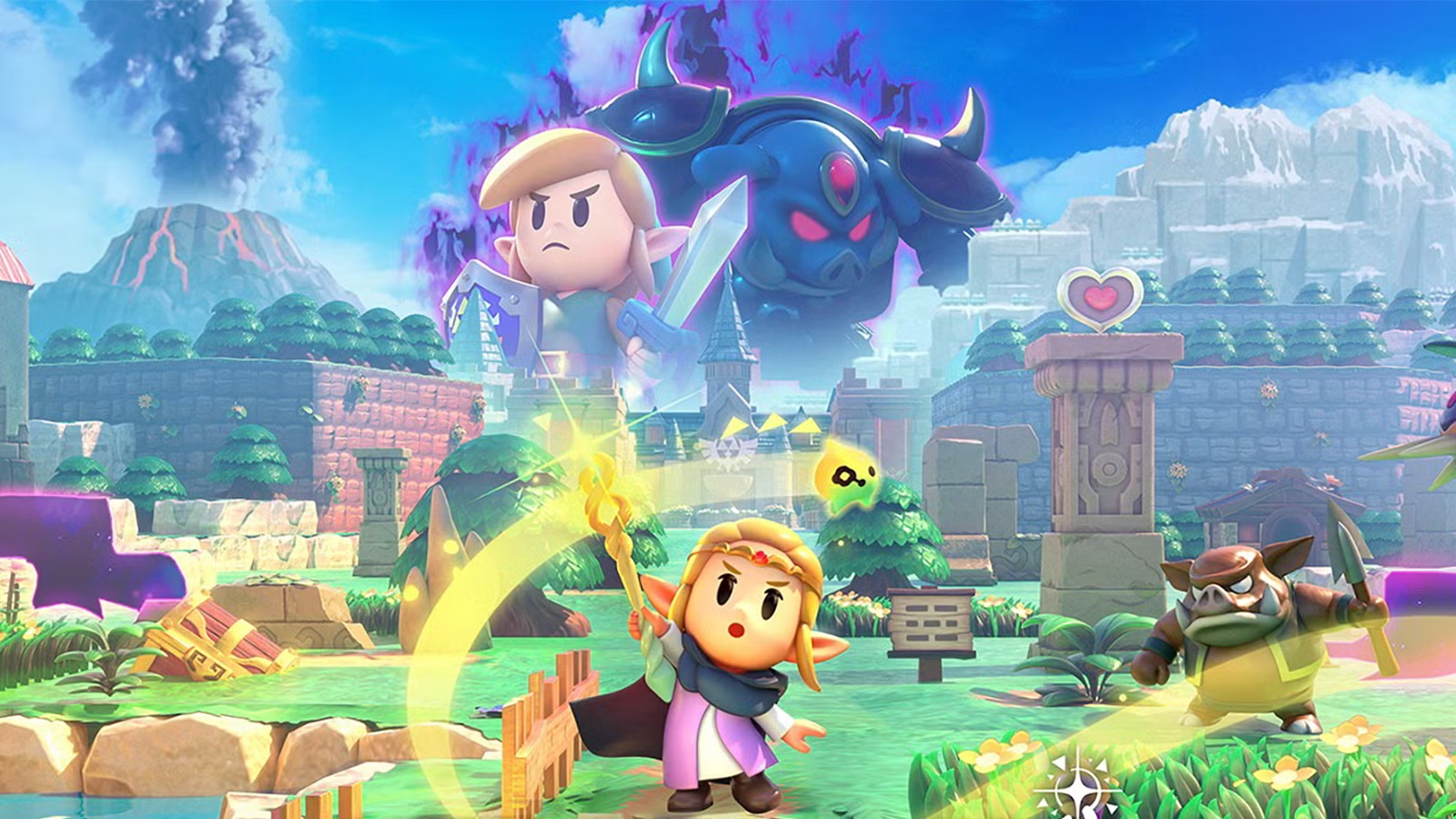
The “next Zelda game” is one of those topics that instantly sparks two reactions: pure hype and a hundred questions. Will it be open-world again? Is Nintendo done with the current Hyrule map? Are we heading to a brand-new land, a new Link, or even a new style of gameplay altogether? And the biggest question of all: when will it actually arrive?
This guide is designed to do something most chatter can’t: give you a clear, grounded, and genuinely useful picture of what the next Zelda game could be—without pretending rumors are facts. You’ll learn how Nintendo typically plans Zelda releases, what patterns we can confidently read from past games, which features are most likely to return or change after Breath of the Wild and Tears of the Kingdom, and how to set expectations in a way that keeps the excitement high without setting yourself up for disappointment.
Why the Next Zelda Game Feels Like a “Turning Point”
Zelda goes through eras. Not just console eras, but design eras. The series has repeatedly reinvented itself—sometimes subtly (more puzzle-heavy dungeons, new combat tools), sometimes radically (the leap to open-air exploration in Breath of the Wild).
Breath of the Wild established a new baseline: freedom first, discovery-driven storytelling, and a world that rewards curiosity more than checklist completion. Tears of the Kingdom didn’t simply “add more”; it doubled down on player creativity with building, fusing, and emergent problem-solving. When a series reaches that kind of design peak, the next step matters. Nintendo can’t just repeat the same trick three times without the magic thinning out. That’s why the next Zelda game is widely expected to pivot in at least one major way—world structure, progression, tone, or even playable characters.
What Nintendo Has (and Hasn’t) Said About the Next Zelda Game
Nintendo is famously cautious about future-project communication, and Zelda is one of the most tightly managed series in gaming. In practical terms, that means the early life of the next Zelda game will likely be quiet: little more than a teaser, a logo, or a short cinematic long before we see extended gameplay.
So what can we responsibly say? This:
- Nintendo will make another major Zelda game. Zelda is too valuable—creatively and commercially—to stay dormant for long.
- The next entry will almost certainly reflect lessons learned from the “open-air” era.
- The timing and platform will depend heavily on Nintendo’s hardware roadmap, because Zelda is often used to showcase new capabilities or keep momentum strong during a console transition.
If you’re hunting for concrete plot confirmations or a finalized title, you’ll run into a wall—because Nintendo typically doesn’t reveal those until the game is closer to release.
Understanding Zelda Release Cycles (So You Can Predict Timing More Realistically)
If you want a realistic sense of when the next Zelda game might arrive, the best approach is to understand how Zelda development tends to work.
Zelda’s “Big” Releases Take Time—and That’s Normal
Mainline 3D Zelda games are enormous undertakings. They require:
- new world design tools or major engine upgrades
- deep systemic gameplay (physics, combat interactions, traversal)
- long iteration time (Nintendo is obsessive about feel and polish)
- extensive QA for open-ended mechanics
Even with existing tech to build on, Nintendo doesn’t rush. The studio’s culture prioritizes “done right” over “done fast,” and that’s especially true with Zelda.
2D Zelda and Remakes Can Fill the Gaps
When fans say “next Zelda game,” they might mean:
- the next major 3D flagship title (the big headline release)
- a new top-down Zelda (2D perspective, classic structure)
- a remake or remaster (often handled with support from partner teams)
Historically, these smaller releases help keep the brand present while the next big project is cooking. If Nintendo chooses that route again, it’s plausible we see a smaller Zelda experience before the next massive open-world epic.
The Most Likely Direction After Tears of the Kingdom
Tears of the Kingdom pushed the current Hyrule setting to an extreme: surface exploration, sky islands, and a deep subterranean layer. It’s hard to imagine Nintendo using the exact same map for a third time without significant backlash—unless the concept is dramatically recontextualized.
Here are the most plausible paths forward.
A Brand-New Map (Most Likely)
Why a New Hyrule—or a New Land—Makes Sense
Even if Nintendo loves iteration, the audience’s sense of discovery matters. A new map gives them:
- a fresh silhouette, geography, and ecosystem variety
- new towns, cultures, and political tensions to explore
- new traversal rules (sailing, climbing limits, weather threats, mounts)
- a reason to redesign enemy placements and dungeon distribution from scratch
A new land also helps storytelling. If Nintendo wants a narrative that feels urgent and unfamiliar, leaving the comfort of known Hyrule landmarks is an easy win.
What a New Map Could Look Like
Nintendo could go in multiple directions while keeping the “open-air” identity:
- a coastal archipelago that emphasizes sailing and storms
- a continent with more vertical extremes (cliffs, canyons, plateaus)
- a darker, more hostile land where survival mechanics are more central
- a world with shifting geography (seasons, time loops, or terraforming)
If you want a grounded expectation: anticipate a new overworld that supports systemic play but feels distinct in traversal and tone.
A Return to More Structured Dungeons (Very Likely)
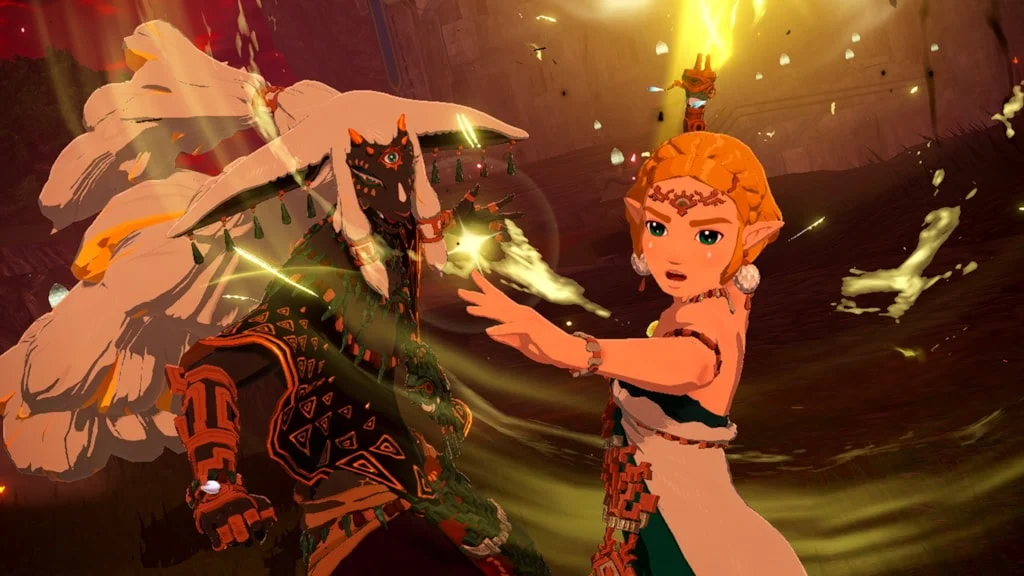
One of the most consistent discussions among longtime fans is dungeons. The open-air era prioritizes freedom, but many players still crave:
- themed dungeon identities (forest, water, shadow, spirit-style vibes)
- unique dungeon items that change how you explore
- boss fights that feel like puzzle finales rather than flexible improvisations
The next Zelda game has a strong opportunity to fuse the best of both worlds: keep open exploration, but bring back more “classic” dungeon design with stronger progression gates.
How Nintendo Could Do It Without Killing Freedom
A smart compromise could be:
- open-world exploration remains non-linear
- dungeons are optional in order, but each dungeon grants a major traversal ability (not just a stat boost)
- the overworld has “soft gates” that become easier or more interesting after each dungeon
This keeps the player’s sense of choice, while bringing back that satisfying feeling of earning tools that reshape the adventure.
A New Core System to Replace Ultrahand-Style Building (Likely)
Tears of the Kingdom’s building and fusion systems are so defining that repeating them wholesale might feel like a retread. Nintendo’s pattern with Zelda is to introduce a signature mechanic per generation, then move on.
So what replaces it?
Potential New “Signature Mechanics”
Here are a few that fit Nintendo’s strengths:
- Advanced magic/runes that alter physics in a new way (beyond building)
- Companion-based traversal and combat (creatures, spirits, or allies)
- A world-state system (seasons, shifting time periods, corruption spread)
- Musical mechanics returning in a modern form (sound-based puzzles, rhythm-driven magic)
- Deeper crafting that focuses on survival tools and expedition planning rather than vehicles
The key is this: the next signature mechanic will likely create new kinds of stories players can tell with gameplay, not just new combat moves.
A Different Link, Zelda, or Dual Protagonists (Possible, but Not Guaranteed)
Playable Zelda is one of the most requested features in the modern era. Nintendo has experimented with alternate playable characters and companion roles, but making Zelda fully playable in a mainline 3D entry is a big structural decision.
What Would Make Playable Zelda Actually Work
If Zelda is playable, it needs to be more than a model swap. A compelling approach would be:
- Zelda’s gameplay emphasizing wisdom: magic, barriers, puzzle manipulation, research, negotiation
- Link’s gameplay emphasizing courage: traversal mastery, melee combat, survival
- switching between them to solve layered challenges (like two-key puzzles, separate routes, synchronized boss phases)
Nintendo would need to design the world to support two play styles equally. That’s a lot of work, but it could be the “fresh start” that makes the next Zelda feel distinct.
Tone Shift—Brighter Adventure or Darker Myth? (Very Possible)
Zelda’s tone cycles. We’ve had whimsical, bright entries and heavier, ominous ones. After the ultra-experimental creativity of Tears of the Kingdom, Nintendo could choose to ground the next game with:
- a more intimate story
- fewer “systems for everything” and more hand-authored set pieces
- a darker mythic tone that leans into mystery, dread, and ancient consequences
Or Nintendo could go the other way: a more colorful, character-driven adventure with denser towns and more social quests. Both are plausible. The deciding factor will be what new gameplay pillar they choose.
Practical Insights: How to Evaluate Rumors About the Next Zelda Game
If you follow Zelda news, you’ll see constant “leaks.” Most are noise. Here’s a practical checklist I use to stay sane:
1) Separate “Platform Talk” From “Game Talk”
Hardware transitions fuel speculation. A new console can be real without any specific Zelda details being real. Treat those as separate questions.
2) Watch for Nintendo’s Pattern: Teaser → Long Quiet → Deep Dive
Nintendo often announces Zelda early, then goes quiet while polishing. Silence doesn’t mean trouble; it often means “not ready to show.”
3) Be Wary of Overly Specific Claims
The more precise the claim (exact title, exact release day, exact number of dungeons), the more skeptical you should be—unless it comes directly from Nintendo.
4) Trust Broad Design Trends More Than Plot “Leaks”
It’s easier to predict the next Zelda game’s direction by analyzing what Nintendo learned from the last two titles than by chasing story rumors.
Examples: What Past Zelda Transitions Can Teach Us
Looking at how Zelda evolved before helps you imagine what “next” could mean.
Ocarina of Time → Majora’s Mask
Same engine foundation, but a bold structural twist (time loop, dense side quests, moodier tone). Translation for today: Nintendo could reuse open-air tech but radically change structure.
Wind Waker → Twilight Princess
A tonal pivot and a different world feel. Translation for today: even if the next game stays open-world, it can still feel totally different through art direction, pacing, and story tone.
Skyward Sword → Breath of the Wild
A philosophy reversal: from guided progression to player-driven exploration. Translation for today: Nintendo isn’t afraid of big swings, especially when a format starts to feel limiting.
The biggest takeaway: the next Zelda game doesn’t need to be “bigger” than Tears of the Kingdom to be better. It needs to be different in the right ways.
Expert Tips: How Fans Can Prepare Without Burning Out
Waiting for the next Zelda game can make people replay everything, overanalyze trailers, and build expectations that no real game could satisfy. Here’s how to stay excited and still enjoy the eventual release.
Tip 1: Replay With a Purpose
Instead of another full 100% run, choose a focus:
- a “main quest only” run to study pacing
- a “dungeons and bosses” run to compare structure
- a “no fast travel” run to appreciate world design
- a “minimal HUD” run to re-experience immersion
These runs sharpen your eye for what you actually want from the next Zelda game.
Tip 2: Identify Your Non-Negotiables vs. Nice-to-Haves
Write down what you truly need:
- non-negotiable: meaningful dungeons, memorable bosses, exploration rewards
- nice-to-have: crafting depth, house building, vehicle engineering
This helps you evaluate the next game fairly instead of reacting to every missing feature as a dealbreaker.
Tip 3: Expect a New Learning Curve
If Nintendo introduces a new signature mechanic, it may feel weird for a few hours. That’s normal. Some of Zelda’s best mechanics don’t click until you’ve had time to experiment.
Tip 4: Don’t Confuse “Classic Zelda” With “Better Zelda”
Classic structure is great, but the series thrives because it changes. The healthiest mindset is: “I hope it brings back what works, but I’m open to a new idea.”
Common Mistakes Fans Make When Talking About the Next Zelda Game
Mistake 1: Assuming It Must Be Tears of the Kingdom, But Bigger
Bigger maps and more layers aren’t automatically better. If anything, Nintendo may choose to tighten scope to improve density, dungeon quality, and story pacing.
Mistake 2: Treating Every Mechanic as Permanent
Weapon durability, crafting, building, stamina—none of these are guaranteed. Zelda mechanics are often experimental, and Nintendo is comfortable retiring systems.
Mistake 3: Ignoring Accessibility and Quality-of-Life Needs
As Zelda worlds grow, so does the need for:
- clearer quest tracking (without over-handholding)
- better inventory organization
- smoother navigation tools
- options for players who struggle with timing, motion controls, or complex building
The next Zelda game will likely include improvements here, and that’s a good thing.
Mistake 4: Expecting a Perfect “Best Of” Compilation
Fans often want open-world exploration, classic dungeons, a deep story, zero repetition, and flawless performance—plus a dozen new systems. Great games are about trade-offs. Nintendo will choose a few pillars and build around them.
FAQs About the Next Zelda Game
Frequently Asked Questions
Will the next Zelda game be open-world?
It’s highly likely the series will continue using an open or open-zone structure because it aligns with modern player expectations and Nintendo’s recent design success. That said, the next game could be more structured within that openness—think stronger dungeon progression, more curated regions, or a tighter narrative flow.
Will we see the same Hyrule again?
Reusing the exact same map a third time would be a hard sell for most players. The more realistic expectation is a new world or a heavily transformed setting that feels fresh in traversal, landmarks, and discovery.
Could the next Zelda game be a smaller top-down title?
Yes, that’s plausible. Nintendo can release a 2D Zelda or a remake/remaster to bridge time while the next major 3D project is in development. If that happens, it still “counts” as the next Zelda game—just not the next giant open-world flagship.
Will Zelda be playable?
It’s possible, and interest is high. But it’s not guaranteed, and it would require the game to be designed around her strengths rather than simply giving her a sword. If Nintendo does it, expect a distinctive moveset and puzzle identity.
What about classic items like the hookshot?
Classic tools could return, especially if Nintendo wants stronger progression and dungeon identity. A hookshot (or a modern equivalent) also helps design more intentional traversal challenges, which many players want back.
Will the next Zelda game connect directly to Breath of the Wild and Tears of the Kingdom?
Nintendo might move to a new era or a loosely connected myth. Direct sequels aren’t the default for Zelda, but they can happen when Nintendo feels there’s more to explore in a particular version of Hyrule. A “fresh start” is at least as likely as another direct continuation.
What should I look for when Nintendo finally reveals it?
Pay attention to three things:
- World structure hints (open-air, region-based, or more linear)
- The signature mechanic (the new “rune/ability” equivalent)
- Dungeon language (whether Nintendo emphasizes temples, keys, bosses, or progression)
Those cues tell you more than a cinematic teaser ever will.
Conclusion: The Smart Way to Get Excited About the Next Zelda Game
The next Zelda game doesn’t need to outdo Tears of the Kingdom on sheer scale to feel like a landmark. What it needs is a clear creative identity: a new world (or a newly meaningful one), a signature mechanic that creates fresh stories through play, and a structure that respects both kinds of Zelda fans—the explorers who love freedom and the traditionalists who miss deep, themed dungeons.
If you want to enjoy the wait, focus on what’s most realistic: Nintendo will take its time, the design will likely evolve rather than repeat, and the first reveal may answer only a few questions. In the meantime, replay with intention, keep your expectations flexible, and remember why Zelda remains special: it’s never just about the destination. It’s about that feeling when you step into the unknown and realize the adventure is going to surprise you again.