
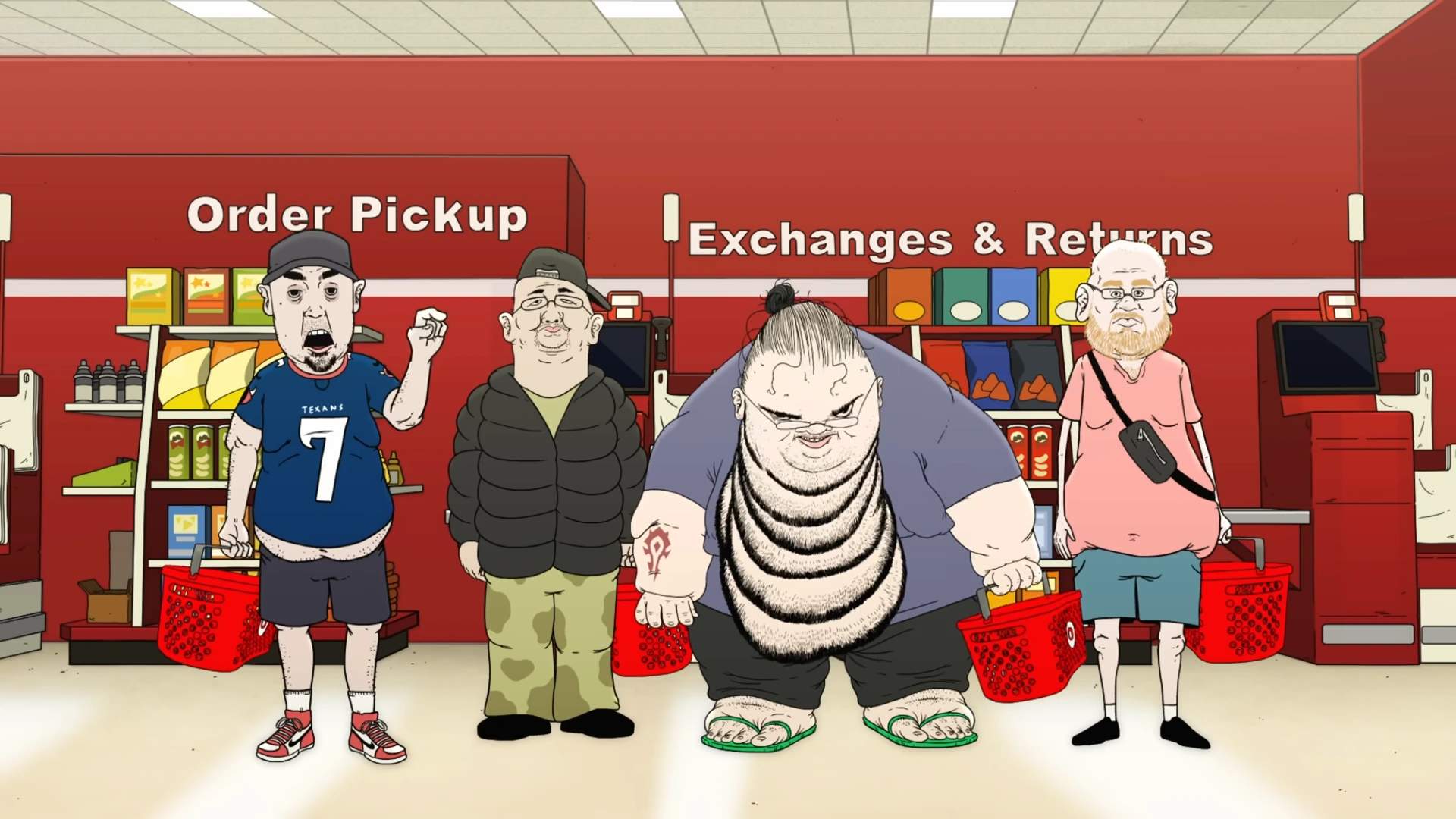
Pokemon Scalpers: The Growing Problem in the Trading Card Community
The Pokémon Trading Card Game has exploded in popularity over the last few years. What was once a nostalgic hobby for longtime fans has transformed into a massive global market filled with collectors, investors, streamers, competitive players, and casual fans. Unfortunately, with that popularity came one of the biggest frustrations in modern collecting: Pokémon scalpers.
Walk into a retail store on release day, and you might already see empty shelves before the doors fully open. Online preorders disappear within seconds. Limited-edition boxes instantly appear on resale marketplaces at double or triple the original price. For many collectors, especially younger fans and casual hobbyists, the excitement of collecting Pokémon cards has turned into a constant battle against scalpers.
But what exactly are Pokémon scalpers? Why has scalping become so common in the hobby? And most importantly, what can collectors realistically do about it?
In this in-depth guide, we’ll explore the full impact of Pokémon scalpers, how the resale ecosystem works, the psychology behind hype-driven markets, and practical ways collectors can protect themselves while still enjoying the hobby.
What Are Pokémon Scalpers?
Pokémon scalpers are individuals or groups who buy large quantities of Pokémon products with the intention of reselling them at inflated prices for profit.
Instead of purchasing cards to collect, trade, or play the game, scalpers focus entirely on market demand and scarcity. Their goal is simple: buy low, sell high.
Common products targeted by Pokémon scalpers include:
- Elite Trainer Boxes (ETBs)
- Booster boxes
- Special collection boxes
- Premium sets
- Pokémon Center exclusives
- Promotional releases
- Limited-edition collaborations
- High-demand tins and bundles
Scalpers often use advanced tactics such as automated purchasing bots, multiple store accounts, bulk buying methods, and insider knowledge about restocks.
The biggest problem is that scalpers reduce product availability for genuine fans. This creates artificial scarcity, which pushes prices higher across the market.
Why Pokémon Scalping Became So Popular
The Pandemic Boom Changed Everything
The Pokémon card market experienced a massive surge during the pandemic years. Several factors contributed to the explosion:
- Nostalgia-driven collecting
- Influencer openings on social media
- Celebrity endorsements
- Increased time spent at home
- Investment speculation
- Rising demand for collectibles
As prices skyrocketed, many people realized Pokémon cards could generate fast profits. Scalpers quickly entered the market in large numbers.
Products that originally retailed for modest prices suddenly sold for several times more online. Once people saw others making money, the cycle accelerated.
Social Media Fueled the Hype
Platforms like YouTube, TikTok, Instagram, and Twitch dramatically increased visibility around Pokémon products.
When influencers showcase expensive pulls or rare collections, demand naturally rises. Scalpers monitor these trends carefully. The moment a product gains hype online, they target it aggressively.
This created a feedback loop:
- Hype increases demand
- Scalpers buy products
- Scarcity increases prices
- Higher prices generate more hype
The cycle continues repeatedly with nearly every major Pokémon release.
Limited Supply Creates Opportunity
Pokémon products are not always easy to manufacture instantly. Printing, distribution, and logistics take time.
When supply cannot keep up with demand, scalpers take advantage of the shortage.
Special sets are particularly vulnerable because:
- Print runs may be smaller
- Collectors rush to buy immediately
- Fear of missing out spreads quickly
As a result, even average products can become difficult to find shortly after launch.
How Pokémon Scalpers Operate
Understanding how scalpers work can help collectors avoid common traps.
Retail Store Clearing
One of the oldest methods involves visiting multiple retail locations and purchasing all available stock.
Scalpers often target:
- Walmart
- Target
- Game stores
- Hobby shops
- Department stores
Some even track vendor restocking schedules to arrive before other buyers.
Online Bots and Automated Purchases
Modern scalping has become highly sophisticated.
Bots allow scalpers to:
- Automatically purchase products seconds after release
- Bypass manual checkout delays
- Buy multiple quantities simultaneously
This explains why online preorders disappear almost instantly during major releases.
Marketplace Reselling
After buying products, scalpers list them on resale marketplaces at inflated prices.
Common pricing strategies include:
- Immediate price doubling
- Artificially matching inflated listings
- Creating panic buying behavior
Collectors who fear missing out often purchase at higher prices, which encourages further scalping.
Sealed Product Hoarding
Some scalpers hold sealed Pokémon products for months or years, waiting for prices to rise naturally over time.
This strategy relies on long-term scarcity and nostalgia growth.
The Impact of Pokémon Scalpers on Collectors

Casual Fans Get Priced Out
One of the saddest consequences of scalping is how it affects younger fans and casual collectors.
Children who simply want to open packs for fun often cannot find products at retail prices anymore. Parents may struggle to afford inflated resale costs.
This damages the accessibility that once made Pokémon collecting enjoyable for everyone.
Local Communities Suffer
Scalping also hurts local card shops and collector communities.
When scalpers dominate supply:
- Genuine players cannot access products
- Trade culture weakens
- Community excitement declines
- Trust within the hobby decreases
Healthy hobbies depend on active participation, not purely speculation.
Artificial Market Inflation
Scalpers contribute to inflated pricing across the secondary market.
A product may appear “valuable” simply because scalpers restricted supply early. This creates distorted market perceptions.
Not every expensive Pokémon product is truly rare. Sometimes scarcity is temporarily manufactured through aggressive bulk purchasing.
Why People Still Buy From Pokémon Scalpers
Even though many collectors dislike scalping, resale markets continue thriving.
Why?
Fear of Missing Out
FOMO is extremely powerful in collectibles.
Collectors worry that:
- Prices will keep rising
- Products may never restock
- Certain sets could become impossible to find later
This urgency pushes buyers toward overpriced listings.
Instant Gratification
Some collectors simply prefer immediate access rather than waiting months for restocks.
Scalpers profit heavily from impatience.
Investment Speculation
Many buyers view Pokémon products as investments rather than collectibles.
When investors expect future appreciation, they willingly pay inflated prices today.
Are Pokémon Scalpers Illegal?
In most places, Pokémon scalping itself is not illegal.
Scalping laws typically focus on:
- Event tickets
- Government-regulated products
- Essential goods during emergencies
Trading cards usually fall outside those restrictions.
However, some practices used by scalpers may violate retailer policies, including:
- Automated bot purchasing
- Account manipulation
- Circumventing quantity limits
Retailers increasingly attempt to fight these tactics through anti-bot systems and purchase restrictions.
How Pokémon Companies Are Responding
Increased Print Runs
The Pokémon Company has significantly increased production capacity over recent years.
More product availability helps reduce artificial scarcity over time.
Although shortages still happen during high-demand releases, modern print runs are generally much larger than earlier eras.
Purchase Limits
Many retailers now enforce:
- Per-customer purchase caps
- Queue systems
- Lottery-style preorder access
These systems are not perfect, but they help reduce mass bulk purchasing.
Direct-to-Consumer Sales
Official online stores increasingly sell directly to collectors rather than relying entirely on retail distribution.
This gives genuine fans more opportunities to purchase products at retail prices.
Best Strategies to Avoid Pokémon Scalpers
Be Patient
Patience is one of the strongest weapons against scalpers.
Many Pokémon products eventually restock. Prices often stabilize weeks or months after release.
Collectors who avoid panic buying usually save significant money.
Focus on Enjoyment, Not Hype
The healthiest collectors buy products because they genuinely enjoy them.
Avoid chasing every trendy release simply because social media says it’s valuable.
Some of the most satisfying collections come from personal interest rather than market speculation.
Build Relationships With Local Card Shops
Good local game stores often prioritize loyal customers over scalpers.
By supporting local communities consistently, collectors sometimes gain:
- Better preorder opportunities
- Fairer pricing
- Early product access
- Trusted recommendations
Strong community connections can make a huge difference.
Learn Market Cycles
Experienced collectors understand that Pokémon markets move in cycles.
New releases usually follow this pattern:
- Extreme launch hype
- Scalper-driven shortages
- Price spikes
- Restocks
- Price corrections
Recognizing these cycles prevents emotional buying decisions.
Avoid Panic Purchases
One of the biggest mistakes collectors make is assuming every release will become ultra-rare.
In reality, many modern Pokémon products receive multiple reprints.
Buying impulsively at peak hype often leads to regret later.
The Difference Between Investing and Scalping
Not all Pokémon investors are scalpers.
This distinction matters.
Scalpers
Scalpers typically:
- Buy massive quantities immediately
- Create shortages
- Flip quickly for short-term profit
Investors
Long-term investors usually:
- Hold products for years
- Participate in the hobby
- Accept normal market risks
- Avoid clearing shelves
The line can sometimes blur, but intent and behavior are important differences.
Common Mistakes Collectors Make Around Scalpers
Overpaying During Launch Week
This is one of the most common errors.
Prices during release week are often heavily inflated due to excitement and limited availability.
Waiting even a few weeks can sometimes reduce costs dramatically.
Treating Every Set as an Investment
Not every Pokémon set will become valuable.
Many modern products are heavily printed and may not appreciate significantly.
Buying solely for profit can quickly become risky.
Ignoring Singles
Collectors chasing sealed products often forget an important alternative: buying individual cards.
In many cases, purchasing singles directly is cheaper than opening packs or paying inflated resale prices.
Following Influencer Hype Blindly
Content creators can unintentionally drive irrational buying behavior.
Always research products independently instead of relying purely on online excitement.
Expert Tips for Smart Pokémon Collecting
Set a Budget
Establishing a monthly collecting budget prevents emotional overspending.
This keeps the hobby fun rather than financially stressful.
Prioritize Personal Favorites
Collections built around favorite Pokémon, artwork styles, or eras tend to remain enjoyable long-term.
Personal meaning matters more than temporary hype.
Track MSRP Prices
Knowing original retail prices helps collectors recognize unreasonable markups.
Many scalpers rely on inexperienced buyers not understanding actual product value.
Join Collector Communities
Healthy collector communities share:
- Restock alerts
- Pricing advice
- Trade opportunities
- Scam warnings
Being informed gives collectors a major advantage.
Buy During Market Cooldowns
Pokémon markets fluctuate heavily.
During slower periods:
- Prices often soften
- Supply improves
- Competition decreases
Smart collectors frequently buy when hype is low.
Real-World Examples of Pokémon Scalping
Special Holiday Releases
Holiday-themed Pokémon boxes often disappear quickly because they attract both collectors and gift shoppers.
Scalpers exploit seasonal demand aggressively.
Pokémon Center Exclusives
Exclusive products create ideal scalping opportunities because supply is naturally limited.
These items frequently sell out within minutes online.
Anniversary Sets
Celebration-themed releases generate massive nostalgia and emotional buying behavior.
Scalpers target these products heavily due to predictable demand spikes.
The Psychological Side of Pokémon Scalping
Scalping succeeds partly because of human psychology.
Collectors naturally value things that feel:
- Rare
- Exclusive
- Difficult to obtain
Scarcity creates emotional urgency.
This is why many people buy products they were not originally interested in simply because others cannot get them.
Understanding this psychological effect helps collectors make calmer decisions.
Will Pokémon Scalping Ever End?
Probably not completely.
As long as demand exceeds supply and resale profits exist, scalpers will continue operating in some form.
However, the situation can improve.
Better production capacity, smarter retail systems, and more educated collectors all reduce scalper effectiveness.
The market today is already more stable than during the peak frenzy years.
How Genuine Collectors Can Protect the Hobby
The future of Pokémon collecting depends heavily on community behavior.
Collectors can help by:
- Refusing extreme resale prices
- Supporting fair local stores
- Educating new collectors
- Encouraging healthy collecting habits
- Focusing on enjoyment rather than greed
When communities prioritize passion over speculation, the hobby becomes healthier for everyone.
FAQs About Pokémon Scalpers
What does Pokémon scalper mean?
A Pokémon scalper is someone who buys large amounts of Pokémon products specifically to resell them at higher prices for profit.
Why are Pokémon cards always sold out?
Products often sell out because of high demand, limited supply, investor interest, and scalpers purchasing inventory quickly.
Are Pokémon scalpers ruining the hobby?
Many collectors believe scalping negatively impacts the hobby by making products harder to access and increasing prices unfairly.
Is buying from scalpers a bad idea?
Buying from scalpers encourages inflated resale markets. Many collectors prefer waiting for restocks or buying singles instead.
How can I beat Pokémon scalpers?
You can avoid scalpers by staying patient, following restock updates, building relationships with local stores, and avoiding panic buying.
Will Pokémon cards keep increasing in value?
Some products may appreciate over time, but not every set becomes valuable. Market trends, supply, demand, and popularity all affect long-term prices.
Are modern Pokémon cards overhyped?
Certain modern releases experience temporary hype spikes, especially during launch periods. Prices often stabilize later once supply improves.
Conclusion
Pokémon scalpers have become one of the most controversial parts of the modern collecting world. While resale markets and investing are natural parts of collectibles, aggressive scalping creates frustration, artificial scarcity, and financial pressure for genuine fans.
Still, collectors are not powerless.
Patience, smart buying habits, community support, and market awareness can dramatically reduce the impact scalpers have on your experience. The most successful collectors are usually not the ones chasing every hyped release. They are the people who collect with purpose, stay informed, and genuinely enjoy the hobby itself.
At its core, Pokémon collecting was always meant to be fun. Whether you love opening booster packs, completing master sets, hunting rare cards, or simply reconnecting with childhood memories, that enjoyment should always come first.
Scalpers may influence the market, but they do not define the heart of the Pokémon community.