
The Nemesis System: A Complete Guide to Gaming’s Most Innovative Mechanic
Introduction
Few gaming mechanics have managed to change player experiences as dramatically as the Nemesis System. In an industry filled with repetitive enemy encounters and predictable AI behavior, this revolutionary system introduced something gamers had rarely experienced before: enemies that remember, evolve, adapt, and develop personal rivalries with the player.
Instead of fighting disposable opponents that disappear forever after defeat, players suddenly found themselves facing enemies who survived battles, returned stronger, mocked previous failures, and climbed power hierarchies based on their encounters. This created deeply personal stories unique to every player.
The Nemesis System quickly became one of the most talked-about innovations in gaming history because it blended procedural storytelling, artificial intelligence, character progression, and player agency into a single immersive experience. Many players still remember specific enemy captains years after finishing the game, which is rare for ordinary NPCs.
In this comprehensive guide, you’ll learn exactly what the Nemesis System is, how it works, why it became so influential, the psychology behind its success, practical gameplay examples, its impact on the gaming industry, common misconceptions, expert strategies, and what the future may hold for dynamic enemy systems.
What Is the Nemesis System?
The Nemesis System is a dynamic gameplay mechanic that creates personalized enemy relationships based on player actions and encounters. Instead of enemies acting like generic NPCs, they evolve through interactions with the player.
The system tracks:
- Victories and defeats
- Previous encounters
- Injuries
- Promotions
- Rivalries
- Personality traits
- Power struggles
- Social hierarchy changes
This means every player experiences a unique narrative shaped by gameplay rather than scripted storytelling alone.
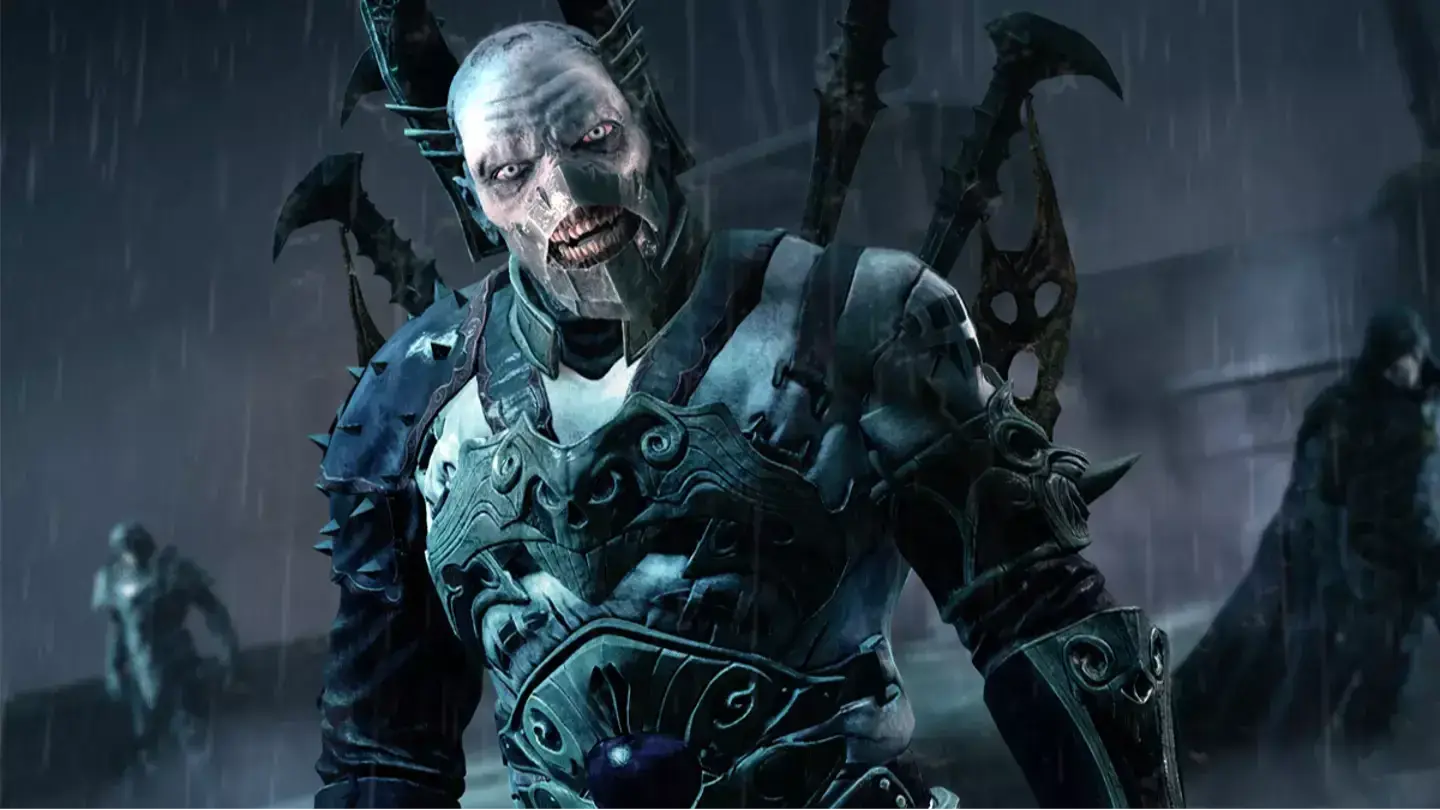
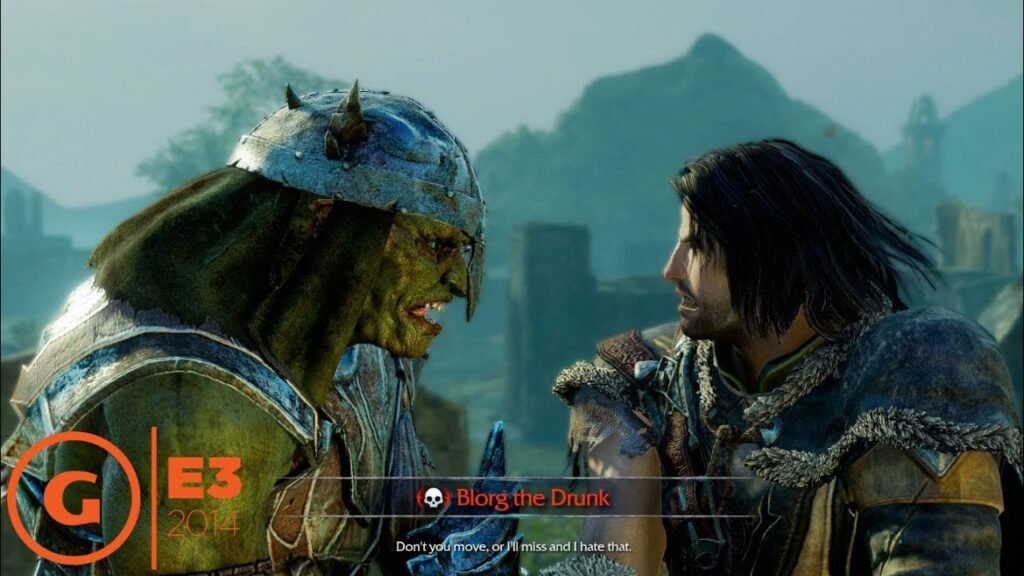
The Nemesis System became famous through the action-adventure games Middle-earth: Shadow of Mordor and Middle-earth: Shadow of War. In these games, enemy orcs developed memories and personalities that reacted dynamically to the player’s actions.
For example:
- If an enemy defeats you, they may gain power and rank.
- If you injure an orc without killing them, they may return later with scars and revenge-driven dialogue.
- If you repeatedly defeat a captain, they may become terrified of you.
- Rival captains can betray each other for power.
This creates emergent storytelling, where unforgettable moments naturally arise through gameplay.
Why the Nemesis System Became Revolutionary
Before the Nemesis System, most enemy AI followed predictable patterns. Once defeated, enemies rarely mattered again. Even major villains often lacked long-term interaction.
The Nemesis System changed this by making enemies feel alive.
Dynamic Storytelling
Traditional storytelling is scripted. Every player sees nearly the same experience.
The Nemesis System introduced emergent narratives. Each player develops different rivalries, betrayals, victories, and failures.
One player might remember an orc who ambushed them repeatedly over several hours. Another player may encounter a loyal bodyguard who eventually betrays his master.
These stories were not pre-written. They emerged organically.
Emotional Investment
Players formed emotional connections with enemies because those enemies remembered them.
A random enemy captain suddenly became meaningful after:
- Defeating the player multiple times
- Escaping death
- Returning stronger
- Taunting the player personally
This transformed ordinary encounters into memorable rivalries.
Consequences Matter
Many games claim player choices matter, but few truly reflect consequences dynamically.
The Nemesis System constantly reacts to player behavior. Success and failure both reshape the game world.
Losing a battle is no longer just a reload screen. It can create a stronger enemy who rises in rank and changes future encounters.
How the Nemesis System Works
Understanding the technical and design structure behind the Nemesis System reveals why it feels so immersive.
Procedural Enemy Generation
Enemies are generated with:
- Unique names
- Voice lines
- Traits
- Strengths
- Weaknesses
- Appearances
- Combat styles
- Fears
- Ambitions
This ensures variety and unpredictability.
Hierarchy Structure
The system organizes enemies into military-style hierarchies.
For example:
- Grunts
- Captains
- Warchiefs
- Overlords
Enemies compete for promotions, and the hierarchy evolves over time.
If a captain dies, another may take their place. If one succeeds against the player, they gain authority.
Memory System
The memory component is what truly defines the Nemesis System.
Enemies remember:
- Previous defeats
- Injuries
- Escapes
- Player tactics
- Fear triggers
An orc burned by fire might later develop resistance to flames. Another who barely survived combat may become paranoid and aggressive.
Adaptive Dialogue
Dialogue changes based on history.
Enemies may say things like:
- “You thought I was dead!”
- “I remember your defeat!”
- “This time you won’t escape!”
These lines reinforce immersion and emotional continuity.
Dynamic Traits
Enemies evolve through experiences.
Examples include:
- Gaining immunity to stealth attacks
- Developing fear of beasts
- Becoming enraged by fire
- Adapting to ranged combat
This forces players to constantly adjust strategies.
The Psychology Behind the Nemesis System
The success of the Nemesis System is deeply tied to player psychology.
Humans Remember Relationships
Players naturally connect with recurring characters.
Even though enemies are procedurally generated, repeated interactions create familiarity and emotional weight.
The brain interprets recurring enemies as persistent personalities rather than disposable NPCs.
Revenge Is Motivating
The system taps into revenge psychology.
If a player loses to an enemy, they often become highly motivated to hunt them down later.
This creates self-driven objectives without scripted missions.
Unpredictability Creates Excitement
Predictable gameplay becomes repetitive.
The Nemesis System introduces uncertainty:
- Who will betray whom?
- Which enemy will survive?
- Who will ambush the player next?
This unpredictability sustains long-term engagement.
Key Features of the Nemesis System
Persistent Enemy Evolution
Enemies grow stronger over time.
An orc who survives multiple encounters may gain armor, scars, elite followers, or powerful abilities.
This evolution makes the world feel responsive.
Dynamic Power Struggles
Enemies fight each other for rank and influence.
This creates a living ecosystem independent of the player.
The world evolves even when the player does nothing.
Personalized Rivalries
The system creates unique personal enemies.
No two players experience identical rivalries.
This personalization increases replay value significantly.
Emergent Gameplay
Unexpected moments define the experience.
Examples include:
- A supposedly dead enemy returning during a boss fight
- An ally betraying the player
- A terrified enemy fleeing battle permanently
These moments feel authentic because they are not heavily scripted.
Practical Gameplay Examples
Example 1: The Returning Enemy
Imagine defeating an enemy captain by throwing him into flames.
Hours later, he returns with burned skin, fire resistance, and rage-driven dialogue.
Suddenly, a routine fight becomes a memorable story arc.
Example 2: Player Defeat Creates a New Villain
A low-level grunt kills the player accidentally.
Because of this victory, the grunt receives promotion, elite status, and confidence.
That once-weak enemy becomes a major threat.
Example 3: Fear-Based Gameplay
An enemy develops fear of beasts after surviving a creature attack.
During a later battle, the player releases monsters into the arena, causing the enemy to panic and flee.
The gameplay becomes strategic rather than repetitive.
How the Nemesis System Influenced Modern Gaming
The gaming industry quickly recognized the brilliance of this mechanic.
Many developers began exploring:
- Dynamic storytelling systems
- Persistent enemy memory
- Adaptive AI
- Procedural narrative design
- Reactive world-building
Although few games replicated the full Nemesis System, its influence can be seen across modern open-world and RPG titles.
Increased Focus on Emergent Narratives
Developers realized players value personal stories as much as scripted ones.
Modern games increasingly prioritize:
- Dynamic events
- AI-driven interactions
- Persistent consequences
- Player-created narratives
Smarter Enemy AI
The Nemesis System demonstrated that enemies become more engaging when they adapt and remember.
This inspired broader AI innovation across genres.
Replayability Improvements
Because each playthrough generates different rivalries and power structures, replay value increases naturally.
Developers now seek systems that produce unique player experiences.
Strengths of the Nemesis System
High Player Engagement
Players become emotionally invested in rivalries and evolving stories.
Unique Experiences
Every playthrough feels different.
Organic Storytelling
Memorable moments emerge naturally instead of relying entirely on scripted scenes.
Dynamic World Building
The game world evolves independently of the player.
Enhanced Immersion
Persistent enemy memory creates a believable environment.
Weaknesses and Limitations
Despite its brilliance, the Nemesis System is not perfect.
Complexity Challenges
Building dynamic AI systems is technically demanding.
Developers must balance:
- AI behavior
- Story consistency
- Difficulty scaling
- Performance optimization
Potential Repetition
Over time, some dialogue and enemy behaviors may repeat.
Although the system creates variety, procedural generation still has limits.
Balancing Difficulties
Enemies can sometimes become excessively powerful or frustrating depending on progression systems.
Resource Intensive Development
Creating sophisticated dynamic systems requires significant development resources and testing.
Expert Tips for Mastering Nemesis System Gameplay
Learn Enemy Weaknesses
Every enemy has unique vulnerabilities.
Study:
- Fear triggers
- Elemental weaknesses
- Combat patterns
- Immunities
Strategic planning becomes essential.
Don’t Fear Defeat
Losses often create the best stories.
Instead of viewing defeat as failure, see it as part of the evolving narrative.
Some of the most memorable rivalries begin after unexpected defeats.
Use Psychological Warfare
Exploit fears and rivalries.
Manipulating enemy emotions can shift battles dramatically.
Monitor Power Hierarchies
Keep track of which enemies are gaining influence.
Ignoring rising captains can create dangerous future threats.
Adapt Constantly
Enemies learn from player tactics.
If stealth stops working, change strategies instead of repeating failed approaches.
Common Mistakes Players Make
Treating Enemies as Disposable
The Nemesis System rewards attention to enemy behavior and relationships.
Ignoring recurring enemies can lead to dangerous surprises.
Repeating the Same Strategy
Adaptive enemies punish predictable gameplay.
Variety is crucial.
Ignoring Enemy Traits
Each enemy has strengths and weaknesses for a reason.
Careful observation often determines victory.
Rushing Through Encounters
Players who slow down and engage with the evolving stories typically enjoy the system more deeply.
Why Players Still Talk About the Nemesis System
Years after its introduction, the Nemesis System remains one of gaming’s most respected innovations.
The reason is simple: it created stories players genuinely remember.
Gamers rarely reminisce about ordinary enemy encounters. However, they often vividly recall:
- Rivals who hunted them relentlessly
- Unexpected betrayals
- Humiliating defeats
- Dramatic revenge victories
- Enemies who cheated death repeatedly
These moments feel personal because the system makes players emotionally involved.
The Future of Dynamic AI Systems
The Nemesis System represented only the beginning of adaptive gameplay possibilities.
Future gaming technologies may expand upon concepts like:
- Advanced machine learning AI
- Procedural personalities
- Dynamic dialogue generation
- Persistent world memory
- Reactive ecosystems
- Emotion-driven NPC behavior
As AI technology evolves, future games could create even more believable relationships and personalized storytelling experiences.
Dynamic systems may eventually become standard in open-world games, RPGs, survival games, and even multiplayer environments.
Could the Nemesis System Work in Other Genres?
Absolutely.
The core principles can apply far beyond action games.
RPG Games
NPC factions could remember player decisions and develop long-term political relationships.
Strategy Games
Enemy commanders could adapt tactics based on previous battles.
Horror Games
Persistent monsters could evolve based on player survival patterns.
Sports Games
AI rivals could develop personalities and competitive histories.
Multiplayer Games
Dynamic rivalries between players and AI-controlled factions could create evolving online ecosystems.
The Legal and Industry Impact
The Nemesis System also became notable because of its industry protection and exclusivity discussions.
Its uniqueness sparked conversations about:
- Innovation ownership
- Game mechanic patents
- Creative limitations
- Industry competition
Many gamers and developers debated whether revolutionary gameplay systems should remain exclusive or inspire wider innovation across the industry.
Regardless of these debates, the system undeniably influenced game design philosophy.
FAQs About the Nemesis System
What is the Nemesis System in gaming?
The Nemesis System is a gameplay mechanic where enemies remember player interactions, evolve over time, and create dynamic rivalries through procedural storytelling and adaptive AI behavior.
Why is the Nemesis System important?
It revolutionized gaming by making enemies feel personal, persistent, and emotionally engaging instead of disposable NPCs.
Which games use the Nemesis System?
The system became famous through Middle-earth: Shadow of Mordor and Middle-earth: Shadow of War.
How does the Nemesis System create unique stories?
The system tracks player interactions, enemy promotions, injuries, rivalries, and adaptive behaviors, generating emergent narratives unique to each playthrough.
Why do players love the Nemesis System?
Players enjoy the unpredictability, emotional rivalries, personalized storytelling, and evolving enemy relationships.
Can other games use similar systems?
Yes. Dynamic AI and persistent enemy systems can work across RPGs, strategy games, sports titles, horror games, and open-world adventures.
Does the Nemesis System use artificial intelligence?
Yes. It combines AI behavior systems, procedural generation, memory tracking, and adaptive gameplay mechanics.
Is the Nemesis System still influential today?
Absolutely. It remains one of the most respected innovations in modern game design and continues to influence dynamic storytelling systems.
Conclusion
The Nemesis System stands as one of the most innovative gameplay mechanics ever created because it fundamentally changed how players interact with virtual enemies. Instead of mindless combat encounters, it introduced evolving rivalries, adaptive personalities, and emergent storytelling that felt personal and unpredictable.
Its brilliance lies not only in technical achievement but also in psychological design. The system understands that players care deeply about relationships, revenge, unpredictability, and meaningful consequences. By combining these elements, it transformed ordinary enemies into unforgettable characters.
Even years later, gamers still share stories about rival captains who humiliated them, enemies who survived impossible battles, or dramatic revenge victories that emerged naturally through gameplay. Very few systems have achieved that level of emotional impact.
As gaming technology continues advancing, the ideas pioneered by the Nemesis System will likely shape the future of AI-driven storytelling, adaptive worlds, and personalized player experiences. Whether through advanced procedural narratives, intelligent NPC ecosystems, or evolving enemy behaviors, the legacy of the Nemesis System will continue influencing game design for years to come.
For players, developers, and gaming enthusiasts alike, the Nemesis System remains a powerful example of how innovative mechanics can transform simple gameplay into unforgettable stories.